
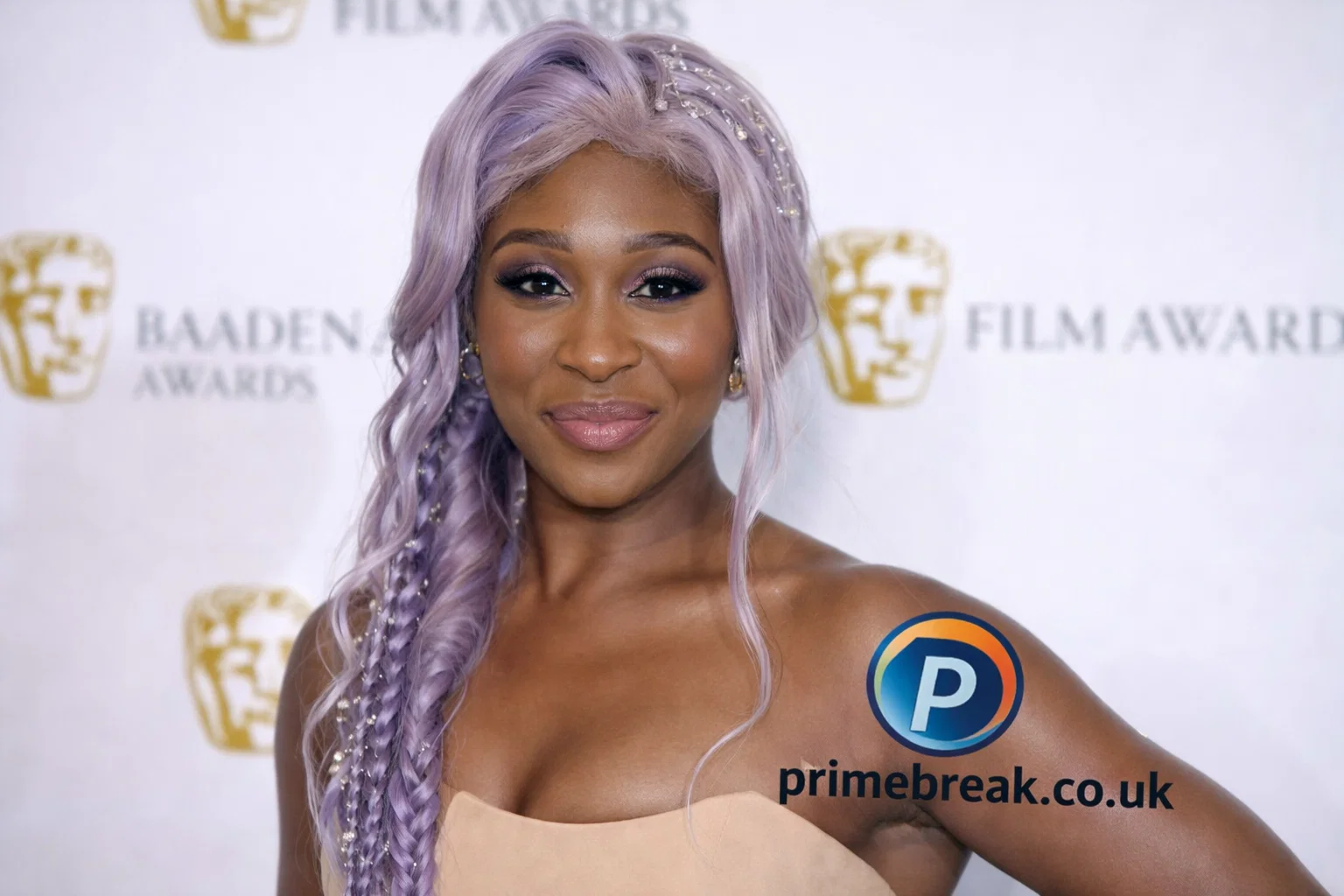
Introduction: Cynthia Erivo and Iconic Hair Transformations
Cynthia Erivo is widely celebrated for her fearless artistry and commitment to every role she undertakes. The Oscar-nominated actress has become a global icon not only for her singing and acting talent but also for her transformative approach to hair. In preparing for her role as Elphaba in Wicked: Part One, Erivo embraced a complete shift in appearance, including shaving her head, experimenting with intricate braids, and working with wigs and makeup to achieve the character’s iconic green-skinned look. These choices were more than aesthetic; they were acts of self-expression, professional dedication, and emotional exploration. Erivo’s hair journey offers insight into how personal identity, creative artistry, and the pressures of embodying a legendary character intersect. Her story highlights the critical role of hair in conveying emotion, character depth, and empowerment.
Quick Bio
| Category | Details |
|---|---|
| Full Name | Cynthia Erivo |
| Profession | Oscar-nominated actress, singer, performer |
| Known For | Role of Elphaba in Wicked: Part One / Wicked: For Good |
| Nationality | British |
| Hair Transformation Journey | Braids, micro braids, shaved head, wigs, green scalp makeup |
| Hairstylist | Sim Camps |
| Early Career | Drama school, theatre productions, early music performances |
| Signature Traits | Fearless artistry, emotional depth, strong self-expression |
| Role Preparation | Physical transformation, shaved head, intensive makeup and wig design |
| Personal Identity | Strong focus on self-expression and breaking beauty norms |
| Audience Impact | Widely praised for authenticity and emotional commitment |
| Public Recognition | Global acclaim as a leading Hollywood performer |
| Key Themes | Hair as storytelling, empowerment, identity, transformation |
| Emotional Journey | Self-acceptance, vulnerability, artistic growth |
| Legacy | Redefined hair as a powerful storytelling and performance tool |
| Cultural Influence | Inspired discussions on beauty standards and creative freedom |
Early Career and Hair Identity
Before taking on the role of Elphaba, Cynthia Erivo had already built a reputation as a versatile performer with strong roots in drama school and stage productions. Her hair reflected her identity and cultural heritage, often styled in braids or natural textures that allowed her to express herself freely. Early in her career, she explored different hairstyles, understanding how hair could influence perception and character interpretation. This experimentation helped her develop confidence and prepare for more radical transformations later in her career. Her willingness to embrace change became an important foundation for her role in Wicked.
Role Preparation for Elphaba
Playing Elphaba required deep physical and emotional transformation. Erivo worked closely with hairstylist Sim Camps and a dedicated makeup team to create the character’s visual identity. Shaving her head was a major step that allowed seamless application of green scalp makeup and smooth integration with wigs used for stage and film adaptations. This collaborative process emphasized how hair plays a crucial role in shaping character authenticity. Through this transformation, Erivo connected her personal artistic journey with Elphaba’s story of resilience, rebellion, and emotional strength.
Shaved Head as a Symbol of Commitment
Shaving her head was both a practical and symbolic decision. Professionally, it ensured consistency in makeup application and wig performance. Personally, it represented liberation from traditional beauty standards and a full embrace of Elphaba’s identity. Erivo described the experience as empowering, challenging, and deeply transformative. The shaved head became a powerful symbol of confidence and artistic dedication. Audiences and critics praised this bold choice, recognizing it as a defining element of her unforgettable performance.
Wig Crafting and Makeup Design
Wigs and makeup were essential components of Erivo’s transformation. Expert wig designers collaborated closely with her to create pieces that balanced visual impact and performance practicality. These wigs needed to remain secure during movement while maintaining the character’s iconic appearance. Beneath them, green scalp makeup was carefully applied to ensure a seamless visual effect. This level of coordination between hairstyling, makeup, and costume design highlighted the detailed craftsmanship required to bring Elphaba to life on screen and stage.
Braids and Micro Braids in Early Stages
Before fully committing to a shaved head, Erivo often wore braids and micro braids during early rehearsals and character exploration. These styles provided flexibility and allowed her to experiment with different looks while maintaining cultural expression. Braids also protected her natural hair and served as a transitional phase toward full transformation. This stage reflected thoughtful planning, blending practicality with identity and artistic exploration.
Audience Perception and Cultural Impact
Cynthia Erivo’s hair transformations challenged traditional beauty standards in Hollywood. Her shaved head and green-skinned Elphaba became powerful cultural symbols of courage and individuality. Audiences and critics praised her willingness to break norms in pursuit of authenticity. Her transformation demonstrated that hair is not just aesthetic but also a storytelling tool that can communicate strength, identity, and emotional depth.
Emotional Vulnerability and Personal Identity
Hair is closely connected to personal identity, and Erivo’s transformation reflected deep emotional vulnerability. Shaving her head allowed her to fully inhabit Elphaba’s character and connect with themes of self-acceptance and defiance. This physical change mirrored the emotional journey of the character and strengthened her performance. Audiences recognized this vulnerability, which added depth and authenticity to her portrayal.
Hair as Self-Expression in Hollywood
In Hollywood, hair plays a significant role in shaping identity and public perception. For Cynthia Erivo, hair became a form of artistic expression and storytelling. Her choices—from braids to shaved head to wigs—demonstrated how hair can reflect personality, cultural identity, and creative commitment. These transformations reinforced her position as a performer willing to take bold risks for authenticity.
Behind the Scenes Collaboration
Erivo’s transformation involved close collaboration with hairstylists, makeup artists, and designers. Sim Camps and the creative team worked extensively to ensure that every hairstyle supported both visual storytelling and practical performance needs. This behind-the-scenes effort showcased the teamwork required to create a cohesive and believable character transformation for stage and film.
Hair Transformation Timeline
Stage | Context / Purpose
Braids / Micro Braids | Early rehearsals and character exploration
Shaved Head | Full character embodiment and makeup integration
Wig Styling | Stage and film adaptation design
Onscreen Transformation | Final audience presentation and performance impact
This timeline shows the thoughtful progression of Erivo’s transformation process.
The Big Chop Experience
Shaving her head, often referred to as the “big chop,” was a defining emotional and professional moment. It symbolized letting go of old identities and embracing a new creative challenge. The experience required courage and emotional strength, marking a turning point in her artistic journey. It was widely praised by audiences and the media as a bold and empowering decision.
Performance Preparation and Audience Reactions
Adjusting to her transformed appearance was part of Erivo’s performance preparation. She adapted physically and emotionally to the demands of the role. Early audience reactions were overwhelmingly positive, with praise for her authenticity and dedication. Her transformation enhanced the emotional impact of the performance and strengthened the connection between character and audience.
Personal Growth and Self-Acceptance
Through this journey, Erivo experienced significant personal growth. The transformation pushed her beyond comfort zones and encouraged self-acceptance. It reinforced her belief in authenticity over convention and deepened her connection to her craft. Hair became a powerful tool for self-expression and artistic exploration.
Legacy and Influence
Cynthia Erivo’s hair transformations have set a new benchmark in performance artistry. They demonstrate that hair can function as a powerful storytelling device. Her work inspires future performers to embrace bold changes and view physical transformation as part of character development. Her influence continues to reshape how hair is perceived in film and theater.
Conclusion: The Art and Power of Hair Transformation
Cynthia Erivo’s hair journey reflects courage, artistry, and deep commitment to storytelling. From braids and micro braids to a shaved head and intricate wigs, every transformation played a role in shaping her portrayal of Elphaba. Her story highlights how hair can express identity, emotion, and creativity. Through collaboration, vulnerability, and bold artistic choices, Erivo has redefined the role of hair in performance and inspired a new standard for authenticity in storytelling.
FAQs
Who is Cynthia Erivo?
Cynthia Erivo is a British actress and singer known for her powerful performances on stage and screen.
Why did Cynthia Erivo shave her head?
She shaved her head to fully embody Elphaba and achieve a seamless transformation for the role.
Who is Sim Camps?
Sim Camps is her hairstylist who worked on wigs, braids, and makeup design for Wicked.
What hairstyles did she use for Elphaba?
She used braids, micro braids, a shaved head, and wigs with green scalp makeup.
How did audiences respond to her transformation?
Audiences praised her bravery, authenticity, and artistic dedication.
