
Ranking at the top of search engines for competitive keywords is something most businesses want. That said, it’s not a one-shot win. It takes consistent effort across content, technical work, and off-page authority, all working together.
At Matter Solutions, we’ve worked with Australian businesses since 2000. Over that time, we’ve noticed most organic traffic struggles come down to the same fixable gaps. So if you’re keen to learn more about building real SEO ranking strategies that last, here we go.
Today, we’ll cover the core approaches that move the needle in search engine optimisation (SEO). By the end, you’ll know exactly where to focus. Let’s get into it.
SEO Ranking Strategies That Actually Work for Competitive Keywords
Ranking for competitive keywords requires a coordinated SEO strategy across content, technical SEO, and off-page authority. The most important part is putting them all to work together.
But do you know what most people get wrong about SEO? They chase high-volume keywords without considering intent. The result is plenty of clicks from the wrong audience, and very little organic traffic that actually converts.
At our agency, we’ve proven to our existing clients that targeting intent-matched keywords drives far more qualified visitors than volume alone. On top of that, unpaid search engine results are genuinely competitive.
Unlike paid advertising, you can’t simply outspend your rivals. After all, strong search engine rankings come from combining technical SEO, quality content, and consistent authority building over time.
Keyword Research: Finding the Right Phrases to Target
Ever wondered why some pages outrank yours despite having less content? It usually comes down to smarter keyword targeting. Let’s break down exactly how it works.
How Keyword Research Tools Help You Spot Fruitful Opportunities
Not all relevant keywords are worth chasing. Keyword research tools like Ahrefs, SEMrush, and Google Keyword Planner show you search volume, competition levels, and keyword difficulty scores side by side.
That combination helps you prioritise which target keywords are realistically winnable within your timeframe. Filtering by search intent, whether informational, commercial, or transactional, is particularly useful.
What’s more, it narrows your list down to the keyword phrases that are worth your effort, rather than wasting time on terms you simply can’t compete for yet.
Why Keyword Phrases Beat Single Words Every Time
Single broad keywords carry enormous competition. Long tail keywords, in contrast, attract more qualified organic traffic because they match how real people type search queries into Google search.
For example, a business searching “affordable SEO strategy for small business” is far closer to converting than one searching just “SEO.” We’ve seen this play out across dozens of campaigns at our agency.
With that in mind, conversion rates climb noticeably when your content mirrors the specific language your audience already uses.
Using Google Search Console to Track Keyword Rankings
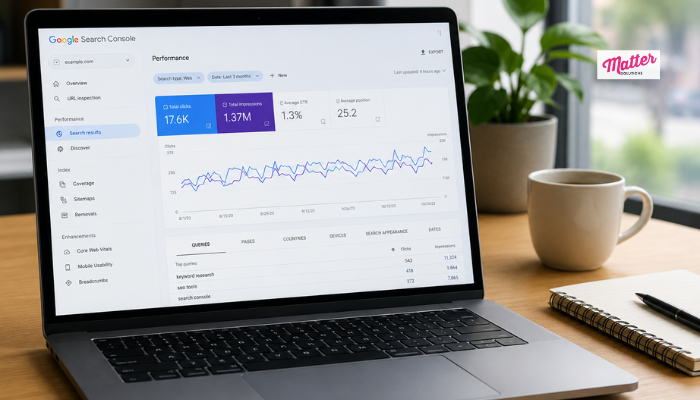
Google Search Console is a free tool that shows exactly which search terms are driving impressions, clicks, and average positions for your site.
We see this all the time: some businesses ignore it completely, then wonder why their keyword rankings aren’t moving. Simply put, that data is sitting right there waiting to be used.
So, check the Performance Report regularly to spot keywords sitting between positions 8 and 15. Those are your quickest wins. With the right adjustments, the search console data lets you act fast before any traffic dip compounds.
High-Quality Content and What Google’s Search Results Reward
Once your content genuinely answers what people are searching for, Google tends to reward it with stable rankings. Those are the kind that hold up over time.
Here are the content qualities that search engines consistently reward:
- Answer Search Intent Directly: High-quality content does one thing above everything else: it answers what the user came to find, clearly and completely. Pages that dance around the topic without giving a real answer rarely hold their position in Google’s search results for long.
- Go Beyond Surface-Level Writing: Thin or recycled content is one of the fastest ways to stall your organic traffic growth. We’ve worked on enough site recoveries at Matter Solutions to know this firsthand. Original insights and specific details are what consistently push pages up search engine results pages.
- Structure Matters More Than You Think: Content length, clarity, and logical structure all influence how search engines evaluate your web pages. And Google’s Quality Rater Guidelines make it clear that well-organised, people-first content is what gets rewarded in Google’s search results.
More importantly, creating high-quality content comes down to giving people a genuinely useful answer, every single time. When you get that right, the rankings follow their path. Simple!
On-Page Wins: Meta Tags, Meta Descriptions, and Descriptive Alt Text
Most sites leave easy ranking gains on the table. And on-page SEO is exactly where those gains are hiding.
Below, we’ve depicted the core on-page elements and what each one does for your rankings:
| On-Page Element | What It Does | How It Helps You Rank |
| Page Title | Tells search engines and users what the page covers | Directly influences relevance signals |
| Meta Description | Summarises the page in search results | Affects click-through rates from Google’s search results |
| Image Alt Text | Helps search engines understand image content | Supports accessibility and image search visibility |
| Mobile Usability | Ensures pages perform properly across mobile devices | Google prioritises mobile-friendly pages |
| Website Speed | Affects how fast a page loads | Impacts user experience and search engine rankings |
A good meta description won’t directly boost your position, but it does affect how many people click through from search results. Similarly, descriptive alt text on every image helps search engines understand your web content far better than a blank field ever would.
So naturally, optimise images, write a proper page title for every page, and make sure your meta tags are filled in correctly. These are small fixes that add up across your entire site.
Off-Page SEO and Internal Linking: Two Levers Most Sites Ignore
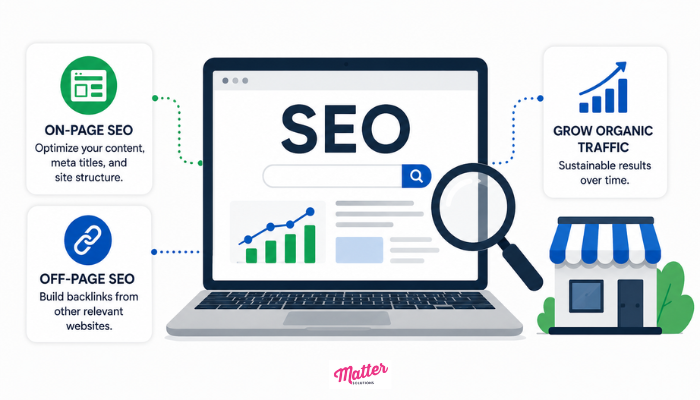
Off-page SEO builds authority through backlinks. Internal linking then spreads that authority across every page on your site. Unfortunately, most businesses overlook both.
Here’s the thing about off-page SEO: quality backlinks from reputable websites carry far more weight than a large number of low-quality ones. A handful of links from credible, relevant sources will do more for your organic growth than dozens of links from random directories.
Internal linking is just as underrated. When you connect relevant pages across your site, you help search engines discover new content faster. On top of that, a solid site structure makes it easier for users to move through your pages and for search engines to understand how everything connects.
Most sites pour energy into chasing other websites for backlinks and completely neglect what’s already within their control. Honestly, internal linking is one of the lowest-effort, highest-return moves in any SEO strategy. So start there, and build outward.
Ready to Climb Google Search? Let’s Make It Happen
Improving your search engine rankings takes consistency across the right areas. Solid keyword research, high-quality content, clean on-page SEO, and a steady approach to driving organic traffic all work together. When one drops off, the others lose their momentum.
The good part is that small, focused changes compound into real organic search traffic growth over time. You don’t need to overhaul everything at once. Prioritise, act, and your website’s search engine ranking will reflect that effort.
If you’re ready to strengthen your SEO efforts and build genuine brand visibility, our team at Matter Solutions is here to help. Get in touch today for a straight-talking SEO strategy session.
