
Introduction: The Iconic World of Barney & Friends
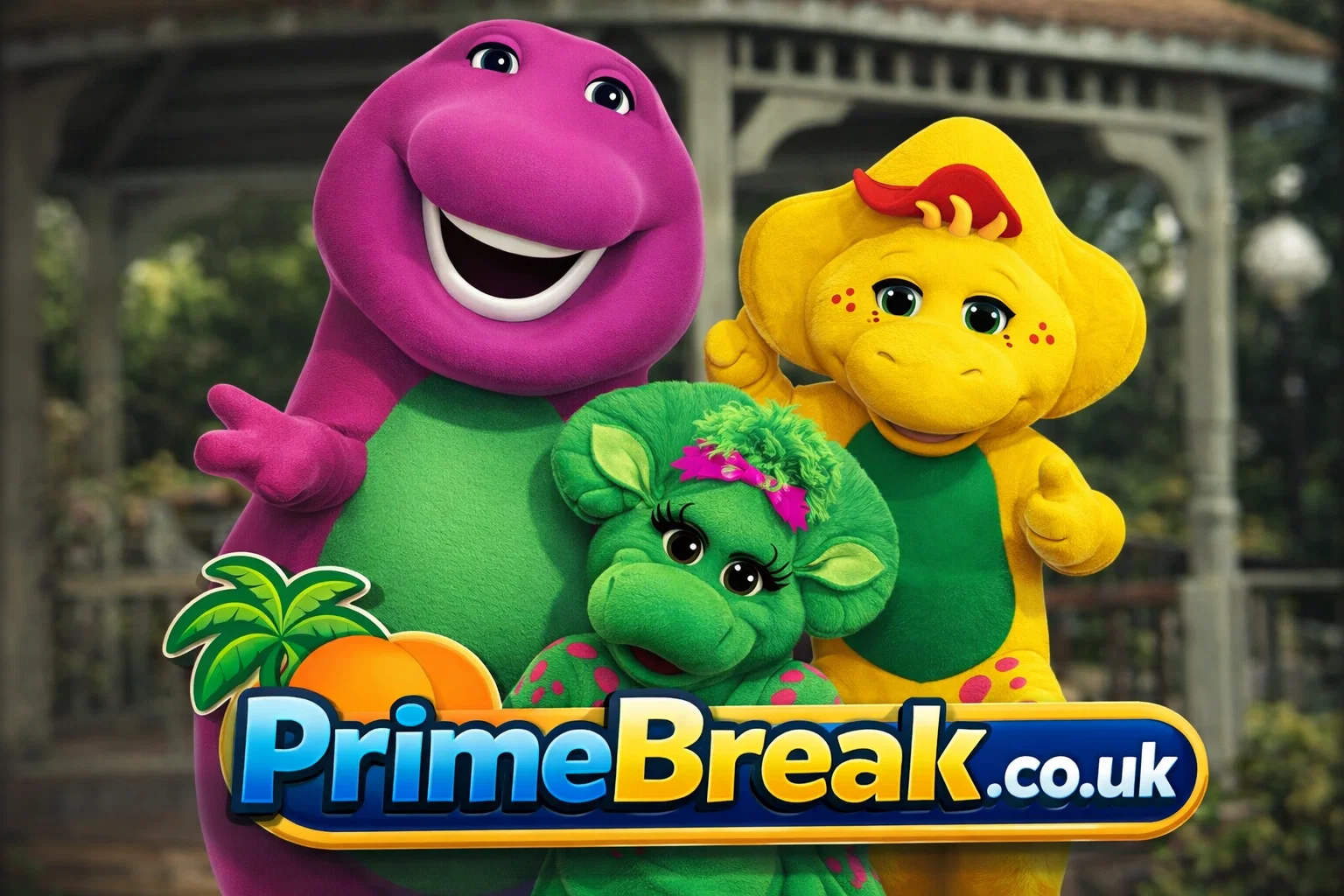
Barney and Friends is one of the most beloved preschool television series in American children’s television. Premiering on PBS Kids, it combined educational TV content with entertaining songs, dances, and playful storytelling. The show captured the imagination of children while teaching social-emotional lessons like caring, sharing, friendship messages, and early problem-solving skills. Its blend of fun and education made it a cultural phenomenon that still resonates with audiences today. The main character, Barney the Dinosaur, became a purple dinosaur mascot recognized worldwide. Supporting characters such as Baby Bop, BJ, and Riff added depth to the episodes, creating a dynamic and interactive preschool learning environment. The children cast brought authenticity to the show, making lessons engaging and memorable. This combination of imagination, educational content, and early exposure to performance helped launch the careers of several child stars. The show’s musical routines, imaginative storylines, and vibrant characters made it a landmark in children’s TV education, inspiring countless other preschool adventure series.
Barney the Dinosaur: Main Character and Mascot
Barney, the purple dinosaur, is the heart of the show and serves as the main character in every episode. Known for his gentle personality, playful imagination, and encouragement, Barney guided children through life lessons in a fun and memorable way. Each episode featured songs and dances, musical routines, and interactive play. Barney’s role was not only to entertain but also to teach important concepts such as empathy, sharing, teamwork, and imagination. As a preschool television series, Barney offered children a safe environment to explore social-emotional learning while enjoying vibrant colors, friendly voices, and musical engagement. Barney’s enduring popularity as a character helped cement the show’s status as a cultural icon in children’s television and inspired future educational programming. His consistent presence provided children with a trusted figure to model caring behavior and imagination-driven problem-solving.
Supporting Characters: Baby Bop, BJ, and Riff
Alongside Barney, supporting characters added variety and additional learning opportunities. Baby Bop, BJ, and Riff were designed to represent different traits and perspectives, offering children multiple models for friendship and cooperation. Baby Bop, for instance, was characterized by curiosity and playfulness, while BJ was energetic and enthusiastic. Riff introduced creativity and musical innovation into episodes. Together, these characters formed the dino-pals ensemble, teaching preschool topics through songs, dances, and movement. They helped reinforce social-emotional lessons by demonstrating teamwork, problem-solving, and caring interactions. The supporting characters also allowed child actors to interact in diverse ways, contributing to the preschool learning environment and making the series more engaging for its audience. The ensemble’s inclusion promoted diverse cast backgrounds and emphasized inclusivity in children’s entertainment.
Cast of Children: Young Stars of the Show
The children cast was essential to the show’s success, bringing the stories and lessons to life. Child actors participated in singing, dancing, and acting alongside Barney and the supporting characters. Their involvement provided authenticity, making preschool topics relatable and accessible. The rotation of children over seasons ensured diversity and offered early career roles for aspiring young actors. Through this exposure, child stars learned valuable performance skills, voice acting techniques, teamwork, and stage presence. The cast of children also reflected a range of backgrounds, encouraging viewers to see themselves represented on screen and making the educational content more inclusive. Their experiences performing songs and dances alongside the dinosaur mascot also contributed to musical educational content, reinforcing learning through fun.
Famous Alumni: From Barney to Stardom
Barney and Friends became a launching pad for several child stars who later achieved fame in the entertainment industry. Notable alumni include Selena Gomez, Demi Lovato, Madison Pettis, Debby Ryan, Jaren Lewison, Jackson Pace, Brighton Sharbino, and Kyla Pratt. These stars gained early childhood performance experience and learned how to collaborate with a cast, follow direction, and engage with an audience. Their time on the show offered practical lessons in discipline, creativity, and voice acting. The program provided exposure to performance and play, which laid the foundation for successful careers in television, film, and music. Alumni benefited from the show’s structure, musical routines, and emphasis on imaginative storytelling, all of which contributed to their early acting careers and public persona development.
Table: Notable Barney & Friends Alumni
| Actor Name | Role / Contribution | Later Career Highlights | Notes |
|---|---|---|---|
| Selena Gomez | Child actor | Singer, Actress | Started young, later Disney star |
| Demi Lovato | Child actor | Singer, Actress | Early TV exposure |
| Madison Pettis | Child actor | Actress, TV shows | Continued acting career |
| Debby Ryan | Child actor | Disney Channel Actress | Career beginnings in Barney |
| Jaren Lewison | Child actor | TV Actor | Notable in teen drama series |
| Jackson Pace | Child actor | TV Actor | Early acting experience |
| Brighton Sharbino | Child actor | Actress | Started young, theater & TV roles |
| Kyla Pratt | Child actor | Actress, Voice Acting | Diverse roles after Barney |
Educational Approach of Barney and Friends
Barney and Friends combined music, movement, and interactive storytelling to create a unique educational experience. Preschool topics included caring, sharing, imagination, problem-solving, and teamwork. The show’s social-emotional curriculum encouraged children to explore feelings and relationships in a safe environment. Learning through music and musical routines made the lessons memorable and enjoyable. Each episode featured an opening sequence to introduce the lesson and a closing sequence that reinforced key messages. The educational approach of the show laid the groundwork for children’s TV education and inspired other family-friendly television content. By integrating movement and gesture symbolism, the series taught mindfulness, breath awareness, and inner-outer harmony, creating a holistic preschool learning experience.
Musical Routines and Songs
Songs and dances were central to Barney and Friends. Musical routines helped children engage with the content and retain information. The theme song, along with closing songs, created a sense of familiarity and comfort. Each musical routine reinforced social-emotional learning, friendship messages, and imagination. The songs encouraged physical movement, participation, and creativity, providing a foundation for early memory development and cognitive skills. Barney characters, alongside the child actors, collaborated to deliver these musical educational experiences, making each episode both fun and instructive. The repetition of songs and games allowed children to learn through rhythm, fostering early musical literacy and memory retention.
Episodes and Seasons Overview
Barney and Friends aired multiple seasons, each introducing new preschool topics, supporting characters, and interactive adventures. The rotation of the child cast over seasons allowed new talent to gain experience while keeping educational consistency. Episodes were structured to balance music, movement, and educational lessons. Repetition and engagement helped children anticipate storylines and connect with the characters. Over time, the series became a significant part of children’s television, offering both entertainment and valuable learning experiences. Each season explored different themes, from environmental awareness to emotional intelligence, embedding educational content seamlessly into fun narratives.
PBS Broadcast and Cultural Impact
Barney and Friends aired on PBS Kids, reaching millions of households across the United States. Its TV-Y rating and family-friendly content ensured suitability for preschool audiences. The show left a cultural imprint, influencing generations of children, educators, and future entertainers. It became a benchmark for preschool adventure series, demonstrating how educational television could combine fun, music, and social-emotional development. Parents valued the show for its educational content, while children enjoyed its imaginative storytelling and colorful characters. Its cultural influence extended beyond the U.S., inspiring adaptations and similar programming in other countries.
Behind the Scenes: Production and Creativity
Behind the cameras, the show involved complex production elements such as voice acting, costume design, choreography, and stage performance. The production team ensured musical routines, songs, and dances were engaging, educational, and visually stimulating. Child actors received guidance to develop their performance and play skills, which contributed to early career opportunities in entertainment. Creative storytelling and imaginative sequences allowed the show to blend education with performance art, offering a unique preschool learning environment. Generational knowledge transfer was evident as producers and actors maintained the original educational philosophy while adapting performances to appeal to contemporary audiences.
Social-Emotional Learning Through TV
Barney and Friends prioritized social-emotional learning through music, movement, and interactive play. Episodes emphasized empathy, sharing, teamwork, and problem-solving. Children learned through observation, participation, and imitation, aided by the friendly guidance of Barney and supporting characters. Preschool topics like caring and sharing were embedded in songs, dances, and storytelling. The show’s holistic approach encouraged mindfulness, emotional balance, and awareness, fostering both educational and personal growth in young viewers. This emphasis on social-emotional development contributed to the program’s enduring appeal and influence in children’s TV education.
Early Career Influence on Child Stars
Participation in Barney and Friends provided invaluable early career experience. Child actors learned skills including voice acting, musical performance, stage presence, and teamwork. Celebrities who started young gained confidence, discipline, and creativity, forming a strong foundation for future entertainment careers. The series’ structure and focus on educational content allowed child stars to develop professional work habits in a supportive environment. This early exposure often shaped their career trajectory in television, film, or music. Alumni have cited the show as a critical platform for learning both performance and interpersonal skills.
Legacy of Barney and Friends Stars
Barney and Friends stars have left a lasting legacy in the entertainment industry. The series’ child actors exemplify early childhood performance experience and successful transitions into professional careers. Alumni success stories highlight the effectiveness of combining preschool learning with music, movement, and acting. The show’s legacy continues to influence family-friendly content, youth education through TV, and the revival of classic children’s series. Barney and Friends demonstrates how an educational TV show can serve as both a cultural icon and a career incubator for young talent.
Community and Family Engagement
Barney and Friends encouraged family interaction and participation in learning. Songs and dances allowed children to engage physically and cognitively while learning. Parents and caregivers could watch along, reinforcing lessons at home. The show fostered a sense of community, providing shared experiences and family-friendly entertainment. Its emphasis on social-emotional learning, imagination, and caring messages created a positive environment for preschool development. Community engagement extended beyond the show, inspiring fan events, educational activities, and continued interest in classic children’s television programming.
Conclusion: Enduring Impact of Barney and Friends Stars
Barney and Friends stars contributed significantly to the success of the preschool television series. Child actors, musical routines, and iconic characters created an educational and entertaining environment that inspired generations of children. The show provided a platform for early career development, fostering performance skills and creativity in young actors. Its holistic approach to social-emotional learning, imagination, and friendship messages ensured lasting cultural and educational influence. Barney and Friends remains a model of excellence in children’s TV education, leaving a legacy that continues to shape young audiences and future performers.
FAQs
Who were the main Barney and Friends stars?
The main stars include Barney the Dinosaur, Baby Bop, BJ, Riff, and the rotating child actors in various seasons.
Which celebrities started their careers on Barney and Friends?
Selena Gomez, Demi Lovato, Madison Pettis, Debby Ryan, Jaren Lewison, and others gained early acting experience on the show.
What educational themes did Barney and Friends teach?
The show focused on social-emotional development, caring, sharing, teamwork, imagination, and problem-solving through songs and games.
How did the child cast rotate over seasons?
Child actors changed seasonally, allowing new talent to join while maintaining educational consistency and diversity.
Why is Barney and Friends still popular today?
Its combination of music, imagination, educational content, and positive social messages has left a lasting legacy in children’s programming.
