
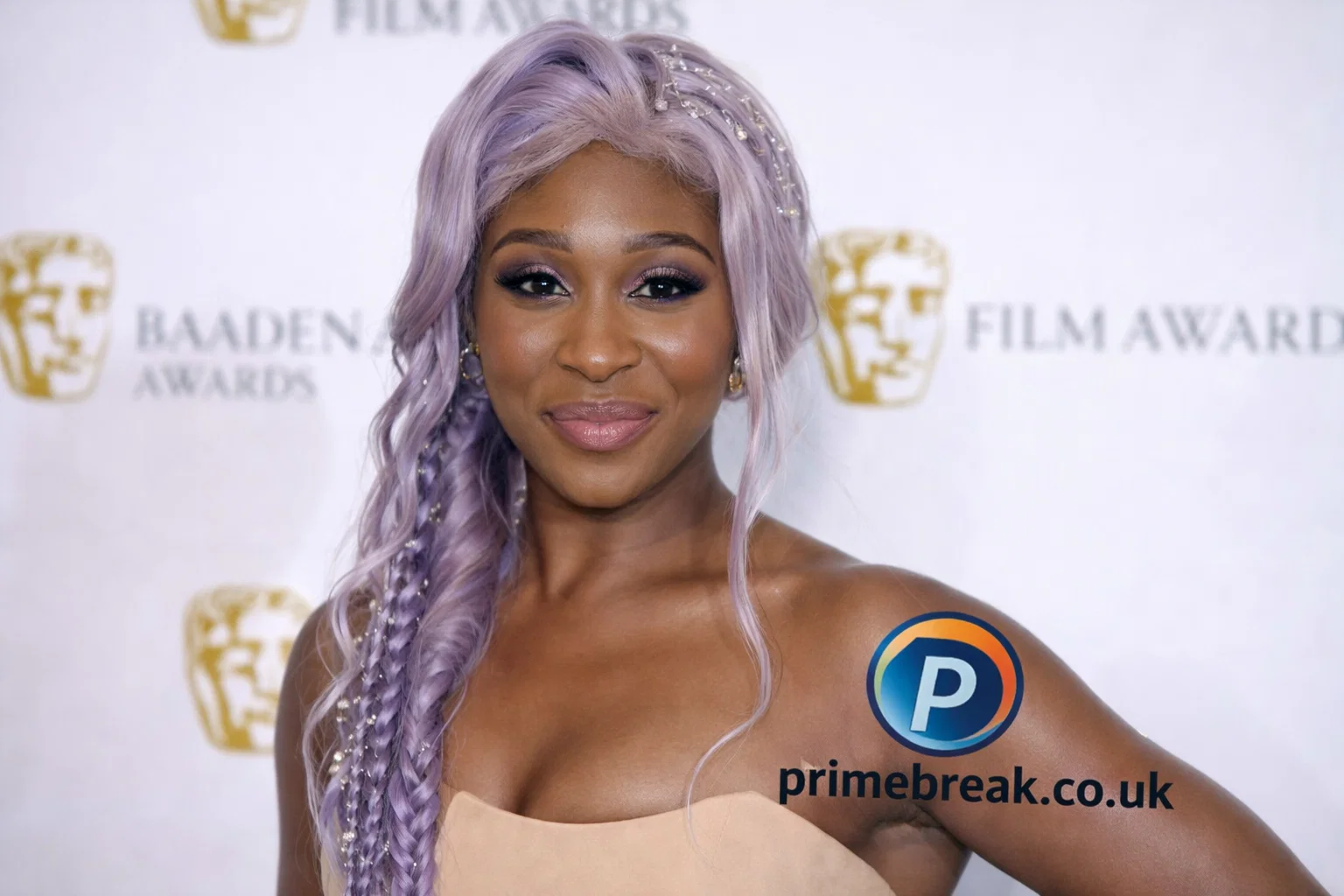
Introduction: Cynthia Erivo and Iconic Hair Transformations
Cynthia Erivo is widely celebrated for her fearless artistry and commitment to every role she undertakes. The Oscar-nominated actress became a global icon not only for her singing and acting talent but also for her transformative approach to hair. In preparing for her role as Elphaba in Wicked: Part One, Erivo embraced a complete shift in appearance, including shaving her head, experimenting with intricate braids, and working with wigs and makeup to achieve the character’s iconic green-skinned look. These choices were more than aesthetic; they were acts of self-expression, professional commitment, and emotional exploration. Erivo’s hair journey offers insight into how personal identity, creative artistry, and the pressures of embodying a legendary character intersect. Her story highlights the critical role of hair in conveying character, emotion, and empowerment.
Quick Bio
| Category | Details |
|---|---|
| Full Name | Cynthia Erivo |
| Profession | Oscar-nominated actress, singer, performer |
| Notable Role | Elphaba in Wicked: Part One / Wicked: For Good |
| Nationality | British |
| Hair Transformations | Braids, micro braids, shaved head, wigs with green scalp makeup |
| Hairstylist | Sim Camps |
| Early Career | Drama school, stage productions, early music performances |
| Signature Traits | Fearless artistry, self-expression, dedication to character, emotional vulnerability |
| Role Preparation | Shaved head, collaborated with hairstylist and makeup artists, wigs for stage and film adaptation |
| Personal Identity | Embraces self-expression through hair, rejects traditional beauty norms, cultural representation |
| Audience Impact | Praised for authenticity, empowerment, professional dedication |
| Public Recognition | Hollywood star, global audience acclaim for performance and transformation |
| Key Themes | Hair as self-expression, character embodiment, creative collaboration, personal growth |
| Film / Stage Contributions | Wicked musical stage and film adaptation, iconic character portrayal |
| Emotional Journey | Personal growth, self-acceptance, vulnerability, resilience |
| Legacy | Set new standards for performers, hair as storytelling medium, inspiration for future actors |
Early Career and Hair Identity
Before stepping into the role of Elphaba, Cynthia Erivo had already established herself as a versatile performer with strong roots in drama school and theatrical productions. Her hair reflected her personal identity and cultural heritage, often styled in braids or natural textures that honored her Black canvas metaphor and allowed her to explore self-expression. Early in her career, Erivo experimented with various hairstyles, understanding how hair could influence perception and character portrayal. This exploration of identity and style helped prepare her for the radical transformation required for Wicked. Her willingness to experiment with hair set the stage for the complete commitment necessary for embodying Elphaba, combining personal vulnerability with artistic courage.
Role Preparation for Elphaba
Playing Elphaba demanded more than acting skill; it required physical and emotional immersion into a complex character. Erivo worked closely with Sim Camps, her hairstylist, and a dedicated makeup team to craft the visual identity of the role. Shaving her head was a pivotal step that allowed her to integrate green scalp makeup seamlessly and later experiment with wigs designed for stage and film adaptations. This process highlighted the collaborative effort between performer and creative team, reinforcing the importance of hair in shaping a character. By altering her hair dramatically, Erivo connected her personal journey to Elphaba’s story of resilience, rebellion, and empowerment, creating a performance that resonated deeply with audiences.
Shaved Head as a Symbol of Commitment
The decision to shave her head was both symbolic and practical. Professionally, it allowed for flawless application of green scalp makeup and consistent wig placement for long performances. Personally, it represented a liberation from traditional beauty norms and a commitment to fully embrace Elphaba’s physicality. Erivo described the experience as transformative, a combination of challenge and empowerment that aligned her more closely with the character. The shaved head became a statement of confidence, vulnerability, and dedication. Audience and critic reactions reflected admiration for her courage, recognizing that this choice was a significant part of what made her portrayal unforgettable.
Wig Crafting and Makeup Design
Wigs and makeup were integral to Erivo’s transformation. Expert wig craftsmen collaborated closely with her to ensure both aesthetic appeal and practicality for stage performances and film adaptation. The wigs were designed to support expressive movement while maintaining the iconic appearance of Elphaba. Green scalp makeup applied beneath the wigs enhanced authenticity, blending seamlessly with the costume and overall visual design. This collaborative process between hairstyling, wardrobe, and makeup demonstrated the artistry required to transform an actor for a demanding role. Every detail, from wig placement to the alignment of the green makeup, contributed to character credibility and audience immersion.
Braids and Micro Braids in Early Portrayals
Before committing to the shaved head, Erivo frequently wore braids and micro braids. These styles allowed her to maintain cultural connections and prepare for the final transformation. Braids offered flexibility, reduced hair damage during rehearsal, and provided a canvas for character experimentation. They reflected her personal style while bridging the transition to full character embodiment. This intermediate stage in her hair evolution demonstrates thoughtful planning, combining aesthetics, practicality, and respect for heritage. Her braids also gave her confidence to explore more radical changes while keeping the focus on the emotional demands of the role.
Audience Perception and Cultural Impact
Cynthia Erivo’s hair transformations challenged conventional beauty standards and audience expectations. Fans and critics recognized the bravery required to radically alter one’s appearance for a role, particularly in Hollywood, where female beauty norms are strictly enforced. Erivo’s green-skinned Elphaba became a cultural symbol, blending vulnerability with empowerment. The public’s perception of her shaved head and wig designs highlighted the significance of hair as a storytelling tool. The transformation resonated deeply, demonstrating that hair can convey character depth, identity, and personal expression in ways that transcend conventional aesthetics.
Emotional Vulnerability and Personal Identity
Hair is intertwined with identity, and Erivo’s journey was deeply personal. Shaving her head allowed her to explore vulnerability and develop a closer connection to Elphaba’s struggles. This transformation created a mirror between her personal journey and the character’s narrative of defiance, self-acceptance, and resilience. By removing the external markers of traditional beauty, Erivo embraced a form of liberation that empowered her performance. Her audience recognized this vulnerability, noting how the physical transformation amplified emotional depth, reinforcing the idea that hair is both personal and performative.
Hair as Self Expression in Hollywood
Cynthia Erivo hair transformations extend beyond character needs into broader themes of self-expression and artistic identity. In Hollywood, an actor’s hair can shape public perception, define cultural representation, and support storytelling. Erivo’s choices—shaving her head, experimenting with wigs, and maintaining braids—demonstrate how hair communicates personality, commitment, and creativity. For a British actor navigating a global film adaptation, these changes reinforced the role of hair in performance art. Hair became both a personal statement and a professional tool, reflecting her dedication to character and artistic authenticity.
Behind the Scenes: Hairstylists and Makeup Artists
The work behind Erivo’s hair transformations involved collaboration with hairstylists and makeup artists who brought technical expertise and creative vision to the project. Sim Camps and the team spent hours planning and executing hairstyles that were practical for rehearsals, durable for stage performances, and visually striking for audiences. Green scalp makeup, wigs, and braids were meticulously aligned to ensure seamless integration with costume and character movement. This behind-the-scenes effort illustrates the complex logistics, artistic decisions, and teamwork involved in transforming a performer for a major stage and film production.
Hair Transformation Timeline and Evolution
| Hairstyle Stage | Context / Purpose | Notes |
|---|---|---|
| Braids / Micro Braids | Early rehearsals and character exploration | Flexible and culturally grounded |
| Shaved Head | Full character embodiment | Allowed integration of green scalp makeup and wigs |
| Wig Styling | Stage and film adaptation | Collaborative design for practical and aesthetic purposes |
| Onscreen Transformation | Film premiere and public performances | Audience praised authenticity and creativity |
This timeline outlines Erivo’s thoughtful approach, showcasing dedication to character, personal identity, and audience impact throughout her journey.
The Big Chop Experience
The act of shaving her hair, referred to by Erivo as the “big chop experience,” was an emotional and professional milestone. It marked a shedding of old identities and an embrace of new challenges. The process required courage, emotional vulnerability, and a commitment to authenticity. The public and media praised her decision, recognizing it as both an artistic and personal statement. By undergoing this transformation, Erivo reinforced the importance of hair in storytelling and character immersion, blending personal sacrifice with performance preparation.
Performance Preparation and Audience Reactions
Erivo’s rehearsal process included adapting to the physical and emotional challenges posed by her new hair. Audiences at early stage performances and film premieres responded enthusiastically, appreciating the authenticity and dedication reflected in her appearance. Her shaved head, wigs, and green makeup elevated the character, enhancing the performance. Fans and critics alike noted the synergy between hair, wardrobe, and acting, emphasizing that visual transformation was as integral to her success as her vocal and dramatic skills.
Personal Growth and Self Acceptance
Through the journey of hair transformation, Erivo experienced personal growth and self-acceptance. Radical changes challenged her comfort zones, reinforced resilience, and deepened her artistic insight. The process empowered her to embrace vulnerability, reject societal beauty norms, and connect more profoundly with her audience. Hair became a medium for personal expression and artistic authenticity, demonstrating that transformation can inspire both performer and viewer.
Legacy and Influence on Hair and Performance
Cynthia Erivo hair transformations have set a new standard for performers, hairstylists, and audiences. They show that hair is not merely aesthetic but a storytelling tool and an extension of character identity. Future actors can learn from her dedication, courage, and collaboration with hairstylists and makeup artists. Her influence reinforces the idea that personal expression, professional commitment, and creative risk-taking are vital in performance art, leaving a lasting impact on theater and film.
Conclusion: The Art and Power of Hair Transformation
Cynthia Erivo hair is a testament to courage, artistry, and commitment. From braids and micro braids to shaved heads and intricate wig designs, every choice reinforced her dedication to character, personal identity, and audience engagement. Her journey exemplifies how hair can communicate vulnerability, empowerment, and professionalism. Erivo’s transformations highlight the intersection of self-expression, creative collaboration, and artistic storytelling, inspiring future generations of performers to embrace hair as a powerful medium of identity and artistry.
FAQs
Who is Cynthia Erivo?
Cynthia Erivo is an Oscar-nominated British actress known for her roles on stage and screen, including Elphaba in Wicked.
Why did Cynthia Erivo shave her head?
She shaved her head to fully embody Elphaba, embracing vulnerability and commitment to character portrayal.
Who is Sim Camps?
Sim Camps is Cynthia Erivo’s hairstylist who collaborated on wigs, braids, and makeup for the Wicked role.
What hairstyles did Erivo use for Wicked?
She wore braids, micro braids, shaved head, and wigs with green scalp makeup to achieve Elphaba’s iconic look.
How did audiences react to her hair transformation?
Audiences praised her authenticity, courage, and artistry, viewing the transformation as empowering and inspiring.
