
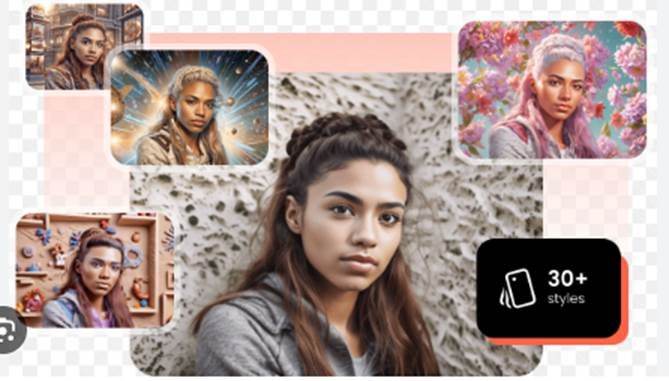
Artificial intelligence has revolutionized the way people create and edit digital content. From generating images to producing realistic videos, AI-powered tools are making creative processes faster and more accessible than ever before. Among the most exciting innovations are image to video AI technologies and advanced AI video enhancer tools. These solutions help creators, businesses, marketers, and social media users produce professional-quality videos with minimal effort.
What Is Image to Video AI?
Image to video AI is a technology that converts static images into dynamic videos. Instead of manually creating animations frame by frame, users can upload one or multiple images and let AI generate motion, transitions, and visual effects automatically.
These tools analyze image elements such as faces, backgrounds, objects, and lighting conditions. Using machine learning algorithms, they create realistic movements that make still photos appear alive. For example, a portrait can be transformed into a talking avatar, or a landscape image can gain subtle camera movements for a cinematic effect.
This technology has become increasingly popular among content creators because it saves time while producing visually engaging results.
Benefits of Using Image to Video AI
1. Faster Video Production
Traditional video editing requires technical skills and significant time investment. With image to video AI, users can create compelling videos within minutes. The AI handles animation, transitions, and effects automatically.
2. Cost-Effective Content Creation
Hiring professional animators or video editors can be expensive. AI-powered tools provide an affordable alternative, allowing businesses and individuals to create high-quality videos without large production budgets.
3. Increased Engagement
Videos generally receive higher engagement rates than static images. By converting photos into animated content, creators can capture audience attention more effectively on social media platforms, websites, and marketing campaigns.
4. User-Friendly Experience
Most image-to-video platforms feature simple interfaces designed for beginners. Users can upload images, select animation styles, and generate videos without advanced editing knowledge.
How AI Video Enhancer Technology Works
While image-to-video tools focus on animation, an AI video enhancer improves the quality of existing videos. These systems use artificial intelligence to analyze video frames and apply enhancements automatically.
AI video enhancement can include:
- Resolution upscaling
- Noise reduction
- Color correction
- Frame interpolation
- Sharpness improvement
- Lighting adjustments
- Motion stabilization
The result is clearer, smoother, and more professional-looking video content.
Advantages of Using an AI Video Enhancer
Improved Video Quality
One of the primary benefits of an AI video enhancer is the ability to upgrade low-quality footage. Older videos can be restored and improved for modern viewing standards.
Enhanced Viewer Experience
High-quality visuals contribute to a better audience experience. Clearer images, smoother motion, and improved colors make videos more enjoyable and engaging.
Time Savings
Manual video enhancement often requires extensive editing expertise. AI automates many of these tasks, reducing editing time significantly.
Better Content Performance
High-quality videos tend to perform better on social media platforms, video-sharing sites, and marketing campaigns. Enhanced visuals can increase watch time and audience retention.
Popular Applications of Image to Video AI
Social Media Content
Influencers and content creators use image to video AI to transform photos into eye-catching videos for platforms such as Instagram, TikTok, and Facebook.
Marketing Campaigns
Businesses use AI-generated videos to showcase products, promote services, and create advertisements without investing heavily in traditional video production.
Educational Content
Teachers and online educators can animate diagrams, illustrations, and educational images to make lessons more interactive and engaging.
Personal Projects
Individuals often use image-to-video tools to create memorable slideshows, family videos, and digital memories from photo collections.
Combining Image to Video AI with AI Video Enhancer
The real power emerges when creators combine image to video AI with an AI video enhancer. First, static images are converted into dynamic video content. Then, enhancement tools improve the final video’s resolution, clarity, and overall quality.
This workflow allows creators to produce professional-looking content even when starting with basic images. The combination is especially useful for marketing teams, YouTubers, social media managers, and small businesses seeking cost-effective content creation solutions.
Future of AI-Powered Video Creation
The future of AI-driven video technology looks incredibly promising. As machine learning models continue to evolve, image-to-video conversion will become more realistic and customizable. Users may soon be able to generate entire video scenes from a single image with near-cinematic quality.
Similarly, AI video enhancer tools will likely become more sophisticated, offering real-time enhancements and advanced restoration capabilities. These improvements will further reduce production barriers and empower creators of all skill levels.
Conclusion
Artificial intelligence is transforming the content creation landscape through innovative technologies such as image to video AI and AI video enhancer solutions. These tools make it easier than ever to create engaging, high-quality videos from simple images while enhancing existing footage for better results.
Whether you are a marketer, business owner, educator, or content creator, leveraging these AI-powered technologies can help improve efficiency, boost engagement, and produce professional-grade visual content. As AI continues to advance, the possibilities for creative video production will only continue to expand.
