
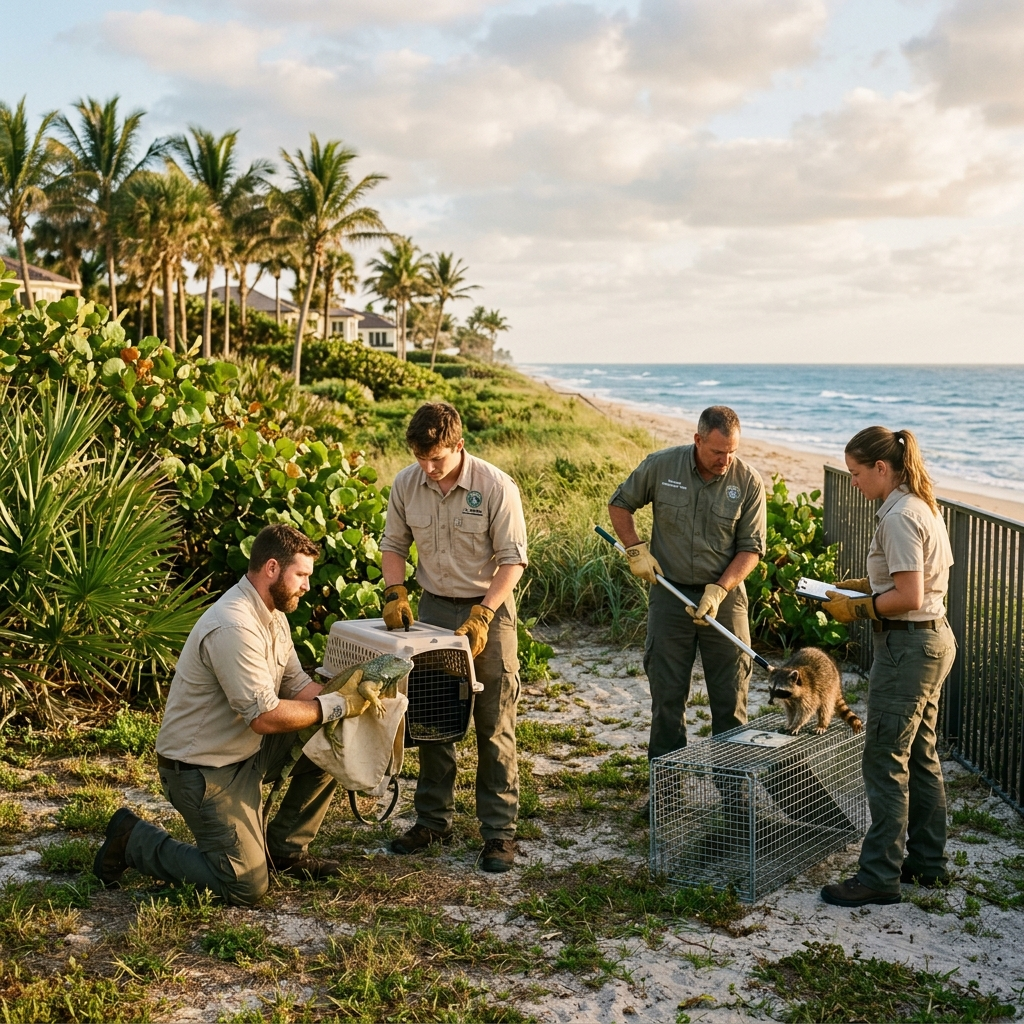
Palm Beach County is a beautiful place to call home, but that beauty comes with a catch. Warm weather, lush landscaping, and proximity to wetlands make this region a haven for local wildlife, and sometimes that wildlife decides your attic, garage, or backyard looks like a great place to settle down. Raccoons digging through garbage cans, iguanas sunbathing on the pool deck, or bats nesting in the eaves are more common than most homeowners expect.
If you’ve noticed strange noises at night, droppings in unexpected places, or damage to your roofline, you’re not alone. Wildlife intrusions are a routine part of life in South Florida, and dealing with them quickly protects both your property and your peace of mind. This post walks through the most frequent wildlife issues Palm Beach residents encounter, why quick action matters, and how professional help makes the process far less stressful than trying to handle it solo.
Why Palm Beach Attracts So Much Wildlife
The climate here is part of the problem. Mild winters and consistent access to food and water mean animals never really slow down or migrate away the way they might in colder regions. Add in the mix of suburban neighborhoods bordering canals, golf courses, and green spaces, and you get a near-perfect environment for critters looking for shelter.
Common culprits include:
- Raccoons: Highly adaptable and notorious for getting into attics, chimneys, and trash cans.
- Iguanas: Not native to Florida but now widespread, often burrowing under patios or seawalls.
- Squirrels: Frequent invaders of attics and soffits, especially during breeding season.
- Bats: Small gaps in rooflines are all they need to establish a colony.
- Snakes: Drawn to properties with dense landscaping or standing water.
Each of these animals brings its own set of risks, from structural damage to health hazards linked to droppings and parasites.
The Real Cost of Ignoring a Wildlife Problem
It’s tempting to assume a wild animal in your yard is a minor nuisance that will eventually move along. Unfortunately, that’s rarely the case. Animals that find a reliable food or shelter source tend to stay, and often bring more of the same species with them.
Left unaddressed, wildlife activity can lead to:
- Chewed wiring, insulation, and vents, which can create fire hazards
- Weakened roof structures from repeated entry and exit
- Contamination from droppings and urine, which can carry bacteria and parasites
- Damaged landscaping, screens, and pool enclosures
- Stress and anxiety for homeowners, especially those with young children or pets
The longer an animal stays, the more expensive and complicated the removal process becomes. What starts as a single raccoon in the attic can turn into a family of raccoons, plus the damage they’ve caused while raising their young.
DIY Wildlife Removal: Why It Often Backfires
Many homeowners try to solve wildlife issues themselves before calling in help, and it’s an understandable instinct. Store-bought traps, home remedies, and online advice make it seem simple enough. In practice, though, DIY approaches often fall short for a few reasons.
First, most wild animals in Florida are protected under state regulations, which means there are specific rules around how and when they can be trapped or relocated. Getting this wrong can result in fines or an animal being injured unnecessarily. Second, without knowing an animal’s exact entry points and behavior patterns, homeowners often catch one animal while missing the rest of the family, or fail to seal the access point that let them in to begin with.
Third, and perhaps most importantly, direct contact with wildlife carries real risk. Raccoons, bats, and snakes can carry diseases or deliver painful bites and scratches when they feel cornered. Professional handling reduces that risk substantially.
What to Look for in Local Wildlife Control Support
Not every wildlife control provider takes the same approach, so it helps to know what separates a solid service from a mediocre one. Look for a provider that:
- Offers a full inspection before recommending any removal plan
- Uses humane trapping and exclusion methods
- Identifies and seals entry points to prevent repeat visits
- Provides cleanup and sanitation for contaminated areas
- Understands Florida-specific regulations around protected species
- Backs their work with a warranty or guarantee
A thorough provider treats wildlife removal as a complete process, not just a one-time trap-and-release job. That means addressing the root cause so the same issue doesn’t resurface a few months later.
Choosing a Trusted Partner for Long-Term Peace of Mind
Reliable, humane, and long-lasting protection from unwanted wildlife starts with choosing a team that understands the unique challenges of South Florida properties, and that’s exactly what Palm Beach Wildlife Services delivers. From initial inspection to full exclusion and cleanup, a knowledgeable team can walk you through every step of the process while keeping your family and your property safe. Rather than treating symptoms, the right approach identifies why animals are getting in and makes sure they stay out for good.
Choosing a specialist who knows the local wildlife patterns, seasonal behaviors, and regulatory requirements makes a measurable difference in how quickly and effectively a problem gets resolved. It also means fewer surprises down the road, since a proper exclusion plan accounts for the animal’s habits and the specific vulnerabilities of your home.
Taking the Next Step Toward a Wildlife-Free Property
Living in Palm Beach means sharing space with a remarkable variety of wildlife, but that doesn’t mean your home has to become their home too. Recognizing the early signs of an intrusion, understanding the risks of waiting too long, and knowing what a quality removal service should offer all put you in a stronger position to protect your property.
If you’ve spotted signs of unwanted visitors, whether it’s scratching in the attic or a new burrow in the yard, don’t wait for the problem to grow. Reach out to a trusted local team, get a proper inspection, and take the first step toward reclaiming your space.
