
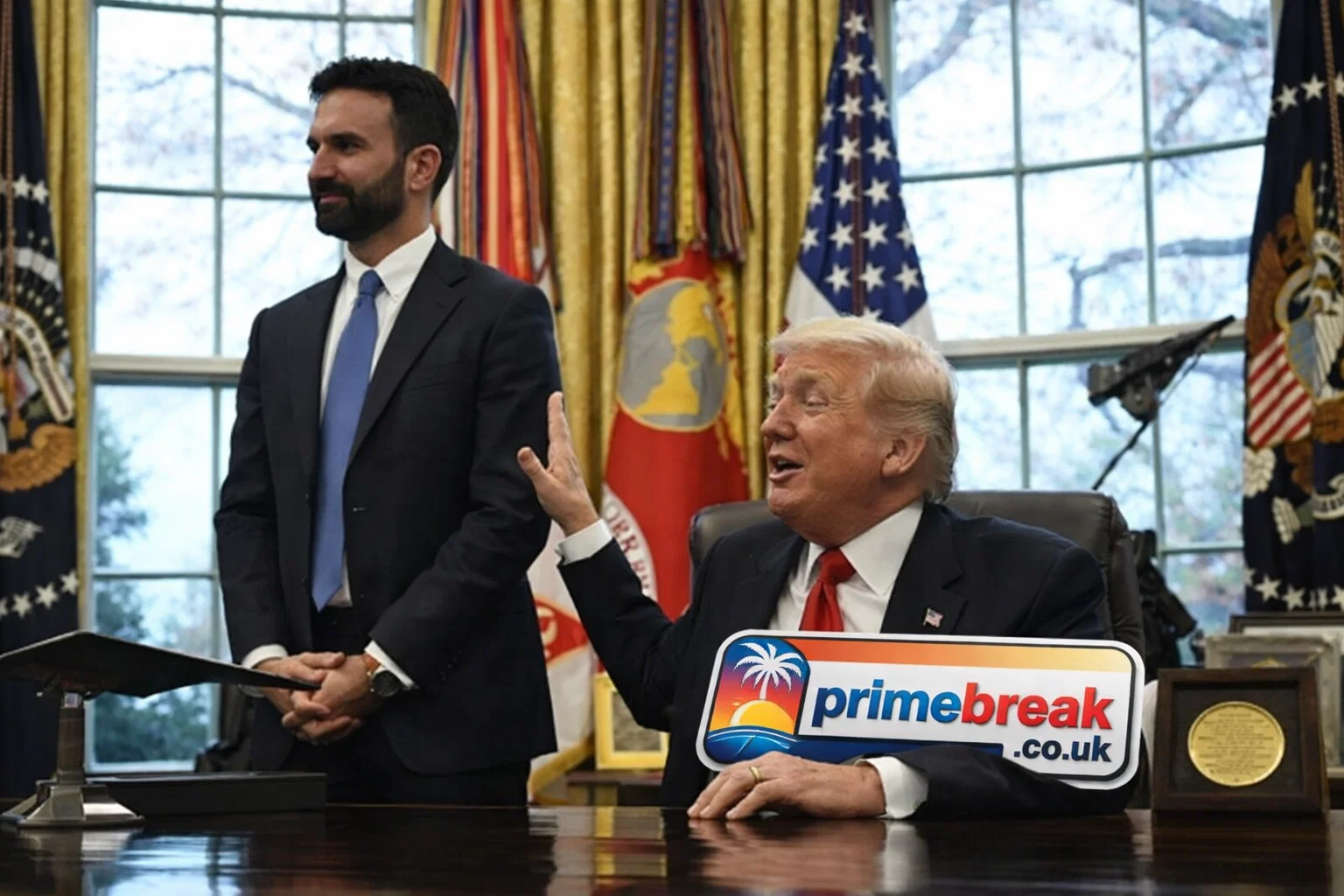
Who is trump mamdani outfit?
The search term “Trump Mamdani outfit” has gained attention across digital platforms as users explore comparisons, visual interpretations, and online discussions about political fashion. The topic often appears alongside related queries such as “Trump copying Mamdani outfit,” “Mamdani Trump matching outfit,” and “Did Trump copy Mamdani outfit,” reflecting public curiosity about whether any visual similarity exists between the two political figures. In reality, these searches are driven more by online discourse and image-based comparisons than by verified political or fashion-related events.
The comparison involves Donald Trump and Zohran Mamdani, whose public appearances represent very different stylistic identities. Trump is widely recognized for his formal business attire, while Mamdani is associated with a more casual and modern political presentation. This article provides a structured, evidence-based breakdown of their styles, clarifies commonly circulated online claims, and examines how political fashion becomes part of public interpretation and media storytelling.
Donald Trump Outfit Style: Consistency and Political Branding
Donald Trump’s outfit style is one of the most consistent visual identities in modern politics. He is typically seen wearing dark tailored suits, white shirts, and bold red or blue ties. This consistent presentation is not accidental but part of a long-standing branding approach developed during his business and political career. The uniformity of his clothing reinforces recognition, allowing audiences to instantly associate his appearance with authority, structure, and traditional leadership values.
Media coverage over the years has often highlighted how Trump’s clothing contributes to his public image. The formal suit functions as a symbol of business professionalism, reflecting his background in real estate and corporate environments. According to public appearances and televised events, his wardrobe rarely deviates from this standard format, which helps maintain a controlled and predictable visual identity across different political settings.
In addition to clothing, grooming also plays a role in his presentation. His hairstyle, tailored suits, and consistent color choices create a recognizable silhouette that has become part of his political brand. This consistency supports a broader communication strategy where appearance reinforces messaging, ensuring that his visual identity remains stable across campaigns, interviews, and international engagements.
Zohran Mamdani Outfit Style: Modern Political Identity and Accessibility
Zohran Mamdani’s outfit style represents a more modern and casual approach to political appearance. He is often seen wearing simple shirts, jackets, and relaxed clothing choices that align with everyday fashion rather than formal political attire. Based on available public appearances and media coverage, his style reflects accessibility and connection with ordinary communities, particularly younger and urban audiences.
Unlike traditional political dressing, Mamdani’s wardrobe does not emphasize hierarchy or formal authority. Instead, it communicates approachability and relatability. This aligns with broader trends in progressive politics, where authenticity and community engagement are often prioritized over structured or elite visual presentation. His clothing choices support the perception that he is closely connected to the people he represents rather than separated from them by formal symbolism.
Public interpretation of his style often highlights its simplicity and practicality. Media discussions suggest that his appearance resonates with individuals who prefer straightforward, less performative political communication. While his outfit choices are not designed for attention, they have become part of his public identity, reinforcing a message of grounded and community-focused leadership.
Trump and Mamdani Outfit Comparison: Visual Contrast in Political Identity
The comparison between Trump and Mamdani outfits primarily arises from visual contrast rather than documented interaction or coordinated style. On one side, Trump’s formal attire represents traditional political and business authority. On the other side, Mamdani’s casual clothing reflects modern, grassroots political expression. This contrast makes the topic highly searchable under terms like “Trump Mamdani outfit” or “Zohran Mamdani Trump outfit.”
Trump’s clothing style communicates structure, hierarchy, and institutional familiarity. Mamdani’s style communicates accessibility, flexibility, and contemporary political values. These differences reflect broader generational and ideological distinctions in how political figures choose to present themselves to the public.
Importantly, there is no verified evidence suggesting any direct stylistic connection, coordination, or influence between the two figures. The comparison exists primarily in digital spaces where users analyze images, generate commentary, and build narratives around visual differences. In this context, clothing becomes a tool for interpretation rather than factual linkage.
The popularity of this comparison highlights how political fashion has become part of online storytelling, where appearance is often analyzed alongside policy, ideology, and public behavior.
Trump Copying Mamdani Outfit: Clarifying Online Claims
Search terms such as “Trump copying Mamdani outfit,” “Trump in Mamdani outfit,” and “Trump outfit after Mamdani meeting” reflect speculation rather than verified information. Based on publicly available records and media documentation, there is no evidence that Donald Trump has altered his clothing style in response to Zohran Mamdani or any specific interaction.
Trump’s outfit style has remained consistent for many years, long before Mamdani became widely recognized in political discourse. His preference for formal suits is rooted in business tradition and political branding rather than short-term influence or external imitation. This consistency makes sudden outfit-based changes unlikely within his established public identity.
Similarly, Mamdani’s clothing style is independently developed and reflects modern political presentation rather than reactionary influence. There are no verified reports of coordinated styling, matching outfits, or visual alignment between the two figures.
The persistence of these search terms illustrates how digital audiences often interpret visual similarities as potential connections. However, in the absence of factual evidence, such claims remain speculative and should be understood as part of online discourse rather than verified political behavior.
Trump Outfit After Mamdani Meeting: Public Interpretation vs Verified Facts
Queries like “Trump outfit after meeting Mamdani” or “Trump outfit after Mamdani meeting” suggest an attempt to link clothing changes with political encounters. However, based on available information and documented public appearances, there is no confirmed meeting or event that resulted in any notable change in Trump’s attire influenced by Mamdani.
Trump’s wardrobe consistency across events indicates a long-established approach to political presentation. His clothing does not typically change based on individual meetings but remains aligned with his broader branding strategy. This reinforces stability and recognizability in public appearances.
The idea of outfit changes following meetings often arises in digital speculation, where users analyze images and timelines for symbolic meaning. In reality, political clothing choices are usually determined by context, protocol, and long-term personal branding rather than specific interactions with other political figures.
As a result, this keyword trend reflects interpretation rather than documented fact, showing how visual narratives can emerge independently of verified events.
Trump Mamdani Matching Outfit: Online Visual Comparisons
Searches such as “Trump Mamdani matching outfit,” “Mamdani Trump matching outfits,” and “Trump Mamdani same outfit” are largely driven by online visual comparisons. These comparisons typically arise from side-by-side images or thematic interpretations rather than actual coordinated clothing choices.
In practice, there is no verified evidence of matching outfits between Trump and Mamdani. Their public appearances consistently reflect different stylistic directions. Trump maintains formal business attire, while Mamdani follows a casual, contemporary approach aligned with modern political engagement.
The perception of “matching” often comes from general similarities in formal events where many political figures wear standard attire such as suits or neutral clothing. These similarities are coincidental and do not indicate intentional coordination or shared styling decisions.
Despite the lack of factual basis, these search terms continue to trend because they are visually engaging and easy to interpret in digital environments. Social media platforms amplify such comparisons through edits, memes, and commentary posts that prioritize engagement over context.
Did Trump Copy Mamdani Outfit? Fact-Based Clarification
The question “Did Trump copy Mamdani outfit?” reflects curiosity shaped by online discussions rather than verified reporting. Based on available information, there is no credible evidence suggesting that Donald Trump has copied or imitated Zohran Mamdani’s clothing style.
Trump’s outfit identity predates Mamdani’s political prominence and is firmly rooted in long-standing business and political branding. His consistent use of formal suits has been a defining feature of his public image for decades. Mamdani’s style, on the other hand, reflects modern political communication trends focused on accessibility and relatability.
The overlap in search behavior highlights how audiences interpret visual culture in politics. Even without factual connections, clothing comparisons become a way for users to discuss broader themes such as leadership style, generational differences, and political messaging.
This makes the keyword trend more reflective of public perception than of actual events or documented influence.
Media Influence on Trump Mamdani Outfit Narratives
Media platforms and social networks play a significant role in shaping how outfit comparisons are interpreted. Images, clips, and commentary posts often circulate without full context, leading to discussions that focus on appearance rather than verified facts.
Coverage of Trump’s attire often emphasizes consistency and branding, highlighting how his formal clothing supports his political identity. Mamdani’s appearance is typically discussed in terms of accessibility and modern political engagement. When these narratives are placed side by side, they naturally generate contrast-based discussions such as “Trump Mamdani outfit” comparisons.
However, these interpretations are shaped more by media framing and audience engagement than by documented interaction between the two figures. Social platforms further amplify this effect through viral posts, memes, and comparative visuals that prioritize engagement.
As a result, fashion becomes part of political storytelling, even when no direct connection exists between the individuals being compared.
Conclusion
The discussion around “Trump Mamdani outfit” reflects how modern political culture blends fashion, perception, and digital storytelling. While there is no verified evidence of matching outfits, copying, or coordinated styling between Donald Trump and Zohran Mamdani, the topic continues to attract attention due to visual contrast and online interpretation.
Trump’s style remains defined by formal consistency and institutional branding, while Mamdani’s outfit reflects modern, casual political identity and accessibility. These differences naturally generate comparisons in digital spaces, where appearance is often analyzed alongside political identity.
Ultimately, the “Trump Mamdani outfit” narrative is less about factual clothing connections and more about how audiences interpret political imagery in the digital age.
FAQs
Why is Trump’s outfit always formal?
Donald Trump’s formal suits are part of his consistent branding, designed to project authority, professionalism, and business-style leadership.
What does Zohran Mamdani usually wear?
Zohran Mamdani is often seen in casual clothing like shirts and jackets, reflecting a relatable and community-focused political identity.
What is the main difference between their outfits?
Trump’s style is formal and traditional, while Mamdani’s style is casual and modern, representing different political messages.
Does clothing matter in politics?
Yes, clothing influences public perception and can shape how voters interpret a leader’s personality and values.
Why is the Trump Mamdani outfit comparison trending?
It highlights the contrast between traditional political branding and modern progressive identity through visual appearance.
Is political fashion intentional?
In many cases, yes. Politicians often use clothing to reinforce their public image and communicate subtle messages
