
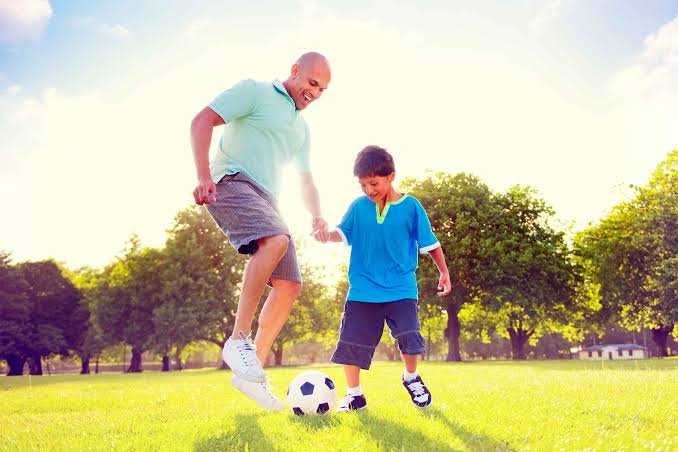
Weekends are an opportunity to step away from the usual routine and make time for activities that refresh both body and mind. Instead of spending the entire weekend indoors, try combining movement with social connection. From outdoor adventures and recreational sports to group walks and casual gatherings, there are plenty of simple ways to stay active while spending quality time with others.
Plan an Outdoor Activity With Friends
One of the easiest ways to make a weekend more active is to schedule an outdoor activity with friends. Having other people involved can make exercise feel more enjoyable and give everyone something to look forward to.
Consider activities that match the group’s interests and fitness levels. A morning walk through a scenic area, an afternoon at a local park, or a casual bike ride can provide movement without feeling overly structured. The goal is to choose something that encourages conversation and keeps everyone engaged.
Planning can also make it easier for people to participate. Pick a convenient meeting point, agree on a time, and let everyone know what they should bring. A little organization can turn a simple idea into a recurring weekend tradition.
Try a Group Walk
Walking is an accessible activity that can work for people with different fitness levels. Instead of treating it solely as exercise, use the time to catch up with friends, explore a new neighborhood, or discover a scenic route.
You can make the walk more interesting by choosing a destination, such as a park, market, café, or viewpoint. This gives the group a reason to keep moving while creating opportunities to relax and socialize along the way.
Play a Recreational Sport
Recreational sports are a natural way to combine physical activity and social interaction. Team games and racket sports encourage participants to move while creating plenty of opportunities for friendly competition.
Choose an activity that does not require everyone to be highly experienced. Casual games are often more enjoyable when participants feel comfortable learning as they go. The focus can be on having fun rather than keeping score.
Pickleball, for example, can be a good weekend option because games can accommodate different experience levels. Friends can practice together, play doubles, and gradually improve while enjoying time on the court.
Turn Sports Into a Regular Meetup
If everyone enjoys the activity, turn it into a recurring event. A weekly or twice-monthly game can give friends a reliable opportunity to get together.
You can also rotate activities to keep things fresh. One weekend might involve pickleball, while the next could feature a casual hike, basketball game, swimming session, or cycling trip. Variety can help prevent your weekend routine from becoming repetitive.
Explore a New Place on Foot
You do not need to travel far to make a weekend feel different. Exploring an unfamiliar area can add a sense of adventure while naturally encouraging you to spend more time moving.
Choose a neighborhood, park, waterfront area, cultural district, or nature trail that you have not visited recently. Walk around without rushing and allow time to stop at interesting locations along the way.
This type of outing is particularly effective for socializing because conversation happens naturally while you explore. Instead of sitting across from each other at a table for several hours, everyone can experience something new together.
Add a Simple Challenge
A small challenge can make an ordinary outing more engaging. You could create a walking goal, take a scenic route, or choose several interesting places to visit during the day.
The challenge does not need to be competitive. It can simply give the group a shared objective and encourage everyone to stay involved.
Combine Sports With Spectator Activities
Being active does not always mean participating in a sport. Watching a live sporting event can also become a social experience, particularly when you use it as a starting point for conversation and other activities.
For example, friends who enjoy pickleball can watch pickleball tournaments together before or after playing their own recreational games. Observing experienced players can also inspire and help casual participants notice different strategies, positioning techniques, and styles of play.
The same idea can apply to many other sports. Attend a local game, community competition, or recreational event and make an afternoon of it. Walking around the venue, getting food afterward, or discussing the event can turn simple spectating into a fuller social outing.
Organize an Active Weekend Gathering
A weekend gathering does not have to revolve entirely around sitting, eating, and talking. Add a few active elements to your plans so guests can naturally get moving.
If you have access to an outdoor space, organize simple games that require minimal equipment. Tossing a ball, playing a casual lawn game, setting up a relay, or creating a friendly skills challenge can encourage participation without making anyone feel pressured.
Make Activities Optional
Not everyone has the same energy level or interests, so avoid making physical activity mandatory. Offer several options that allow people to participate at their own pace.
Some guests may want to play a game, while others may prefer walking and talking or simply watching. Providing choices makes gatherings more inclusive and allows everyone to enjoy the social experience.
Food can also complement an active gathering. Instead of making the meal the entire focus, plan it as one part of the day. Start with an activity, take a break for food, and then return to a relaxed game or conversation.
Try a Weekend Fitness Class
A group fitness class can provide structure when you want to be active but do not want to plan the workout yourself. Inviting a friend can make the experience more enjoyable and provide extra motivation to attend.
Look for activities that match your interests and comfort level. Options can range from dance and yoga to strength training, cycling, martial arts, or other recreational fitness sessions.
Trying something unfamiliar can also make your weekend more memorable. Even if the activity does not become a long-term hobby, experiencing it with friends gives you something new to discuss and enjoy together.
Encourage Each Other
Going to a fitness class with friends can make it easier to stay committed. You can schedule sessions in advance, remind each other about upcoming plans, and celebrate improvements along the way.
Keep the atmosphere positive rather than turning the activity into a competition. The goal is to create a sustainable weekend habit that supports both physical activity and friendship.
Take a Hike or Nature Walk
Spending time in nature can combine movement, fresh air, and social connection. A hike or nature walk provides an opportunity to explore while getting away from screens and indoor routines.
Choose a route that suits the group’s experience and physical abilities. For a casual weekend outing, a shorter trail with interesting scenery may be more enjoyable than an ambitious route that leaves everyone exhausted.
Bring appropriate footwear, water, weather-appropriate clothing, and any other essentials required for the route. Check local conditions before leaving, particularly if the trail could become difficult during poor weather.
Make the Journey Part of the Experience
The social benefits of an outdoor adventure begin before you reach the trail. Traveling together, preparing snacks, choosing a route, and discussing plans can all become part of the experience.
After the walk, consider stopping somewhere nearby for a meal or a relaxing drink. Extending the outing gives everyone more time to talk and turns a simple hike into a full-day social activity.
Start a Friendly Weekend Challenge
A little friendly competition can add motivation to an active weekend. Create a simple challenge that friends can participate in without requiring specialized equipment or advanced skills.
For example, you could set a group walking goal, try different recreational sports each weekend, or challenge everyone to discover a new outdoor location. Keep the rules simple and focus on participation rather than winning.
A shared challenge can also help friends stay connected between weekends. Everyone has a reason to check in, share progress, and plan the next activity.
Keep the Competition Friendly
Competition should make the experience more exciting, not uncomfortable. Avoid challenges that could exclude people because of age, fitness level, or previous experience.
Consider using team-based activities or rotating partners so everyone has an opportunity to participate. Celebrate consistency, creativity, and improvement rather than only rewarding the person who performs best.
Reduce Screen Time Without Eliminating It
Making your weekend more active does not mean you need to completely disconnect from technology. Instead, consider changing how you use your downtime.
Rather than spending hours scrolling indoors, use screens as tools for planning activities, learning about sports, finding new walking routes, or staying connected with friends. Once your plans are set, put devices aside when appropriate and focus on the people and activities around you.
You can also create specific periods during the weekend when everyone agrees to put their phones away. A meal, hike, recreational game, or group activity can become more engaging when people are fully present.
Build a Weekend Routine You Actually Enjoy
The most effective way to make weekends more active and social is to choose activities you genuinely enjoy. If a plan feels like another obligation, it may be difficult to maintain.
Think about what makes you feel energized. Maybe you enjoy competition, exploring new places, exercising with friends, spending time outdoors, or learning new skills. Build your weekends around those interests rather than forcing yourself into activities simply because they are popular.
Start small if necessary. One active social outing each weekend can be enough to change your routine. Over time, you can add new activities and invite more people to participate.
A successful weekend does not have to be packed with plans from morning until night. Even a few hours spent walking, playing a sport, exploring somewhere new, or gathering with friends can provide meaningful movement and connection.
Conclusion
Making your weekend more active and social does not require an elaborate schedule or intense workouts. A group walk, recreational sport, outdoor adventure, fitness class, or friendly gathering can provide movement while strengthening relationships. Choose activities that fit your interests and abilities, invite people you enjoy spending time with, and focus on creating experiences you will want to repeat.
