
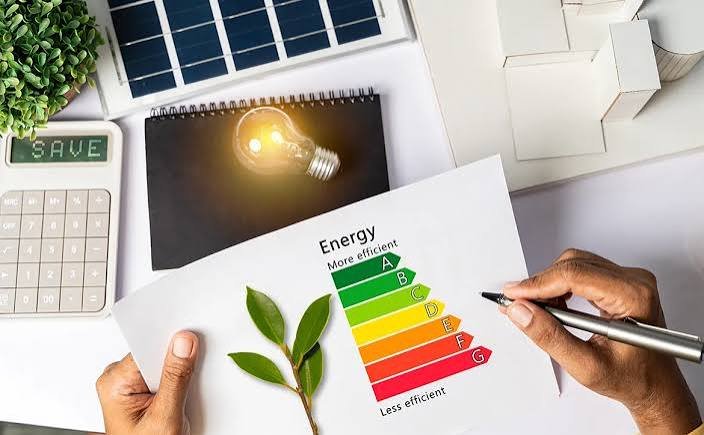
High energy bills can feel like an unavoidable tax on living comfortably. Whether keeping your home cozy during bitter winter freezes or cool during scorching summer afternoons, heating and cooling systems consume massive amounts of electricity and gas. However, high utility costs do not have to be the status quo. By implementing smart, targeted efficiency strategies, you can significantly reduce your monthly expenses without compromising your family’s comfort or daily routines.
Improving energy efficiency is about working smarter, not sacrificing convenience. From minor daily habits to strategic home improvements, taking control of your power consumption is easier than you think. Here are practical, high-impact tips to help you power down your utility bills.
1. Strengthen Your Home’s Envelope
Your home’s building envelope—the physical barrier between indoor conditioned air and outdoor elements—plays the single largest role in thermal efficiency. When air leaks through gaps around doors, attics, and windows, your heating and cooling systems must work twice as hard to maintain a steady temperature.
Start by inspecting doors and windows for noticeable drafts. Simple solutions like applying weatherstripping, caulking exterior cracks, and adding door sweeps can yield immediate results. If your home still struggles with temperature retention, older single-pane windows might be the main culprit. For homeowners facing extreme seasonal shifts, investing in quality window installation in Utah or similar regions can dramatically enhance thermal performance, blocking heat loss in the winter and heat gain throughout the summer.
2. Master Thermostat and HVAC Control
Heating and cooling account for nearly 50% of an average home’s total energy consumption. Therefore, small tweaks to your climate control strategy can result in substantial savings over time.
- Install a Smart Thermostat: Programmable or smart thermostats automate temperature adjustments based on your family’s routine. Setting the temperature 7 to 10 degrees lower in the winter (or higher in the summer) for eight hours a day can save up to 10% annually on heating and cooling.
- Replace Filters Regularly: Clogged, dirty air filters restrict airflow, forcing your HVAC motor to run harder and draw more power. Replace air filters every 1 to 3 months.
- Utilize Ceiling Fans Efficiently: Fans cool people, not rooms, by creating a wind-chill effect. Remember to run fans counterclockwise in summer to pull cool air up and clockwise in winter at low speeds to push trapped warm air downward.
3. Eliminate Phantom Power and Upgrade Lighting
Did you know that electronics continue to draw power even when turned off? This hidden energy drain, known as “phantom load” or “vampire draw,” accounts for up to 10% of standard household electricity usage.
Plug devices like televisions, game consoles, desktop computers, and chargers into smart power strips that automatically cut power when devices go idle. Additionally, if you haven’t already, replace all incandescent bulbs with energy-efficient LED lighting. LEDs consume up to 80% less energy and last up to 25 times longer, quickly paying for themselves.
4. Rethink Water Heating and Appliance Habits
Water heating is often the second largest energy expense in a home, representing roughly 14% to 18% of utility costs.
- Lower the Water Heater Temperature: Most water heaters are factory-set to 140°F. Lowering the setting to 120°F provides plenty of hot water for daily needs while preventing unnecessary heat loss and reducing standby energy costs.
- Wash Laundry in Cold Water: Roughly 75% to 90% of the energy your washing machine uses goes toward heating the water. Cold water detergents ensure your clothes get just as clean without draining your wallet.
- Run Full Loads: Only run dishwashers and clothes washers with full loads to maximize water and electrical efficiency per cycle.
Small Steps Lead to Big Savings
Creating an energy-efficient home does not require an all-or-nothing approach or massive immediate spending. Start with quick, low-cost fixes like switching out lightbulbs, lowering your water heater temperature, and sealing minor drafts. As your utility savings build up, consider larger investments like HVAC tune-ups, appliance upgrades, or structural insulation.
By taking proactive control of your home’s energy footprint today, you will enjoy a more comfortable living space, lower monthly expenses, and the peace of mind that comes with a smarter, more sustainable home.
