
Modern digital lifestyles have completely reshaped the way people interact with technology. Smartphones are no longer just communication tools; they have become essential devices for work, entertainment, navigation, and financial management. Because of this heavy dependency, battery usage has increased significantly in everyday life.
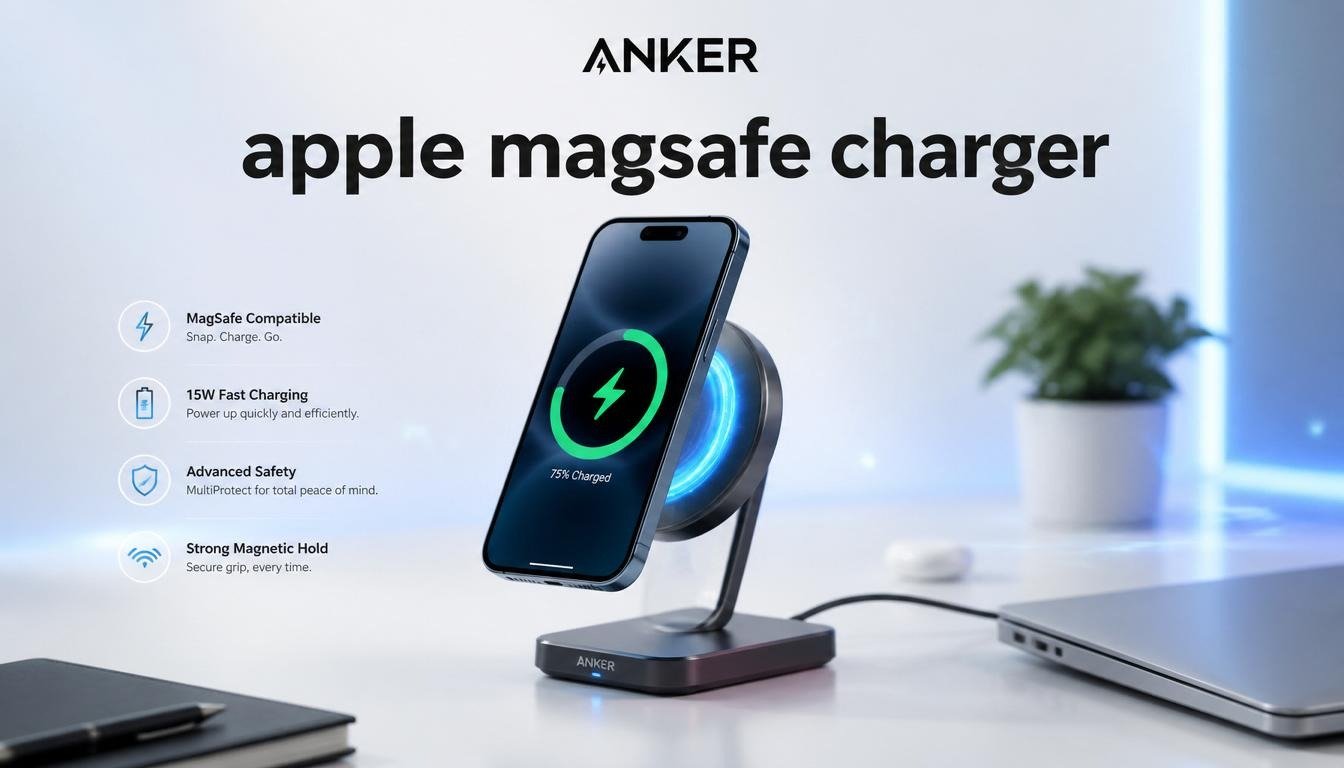
Charging is no longer something people think about only at night. It has become a continuous need that follows users throughout the day. In this evolving environment, solutions like the apple magsafe charger are gaining attention because they offer a more flexible and convenient way of keeping devices powered without depending heavily on traditional charging habits.
As digital usage continues to grow, users are now looking for charging systems that are simple, fast, and compatible with their fast-moving lifestyle. This shift is not just about technology it is about convenience, efficiency, and better control over daily routines.
Increasing Dependence on Smart Devices in Daily Life
Smart devices have become deeply integrated into almost every part of modern life. From morning alarms to late-night communication, people rely on smartphones for nearly everything. Work emails, online meetings, navigation, and digital payments are all managed through these devices.
This constant usage naturally leads to higher battery consumption throughout the day. Unlike earlier times when phones were used occasionally, modern devices remain active almost all the time due to background apps and continuous connectivity.
As a result, users now find themselves charging their devices multiple times a day. This has made battery management a key part of daily planning rather than a secondary concern.
Why Traditional Charging Methods Are Losing Effectiveness
Traditional charging systems were designed for a simpler era where one device and one charger were enough for daily use. However, modern users carry multiple devices with different power requirements, which makes older systems less practical.
Managing multiple cables, adapters, and charging points creates unnecessary clutter and reduces convenience. It also limits flexibility, especially for users who travel or work in dynamic environments.
Because of these challenges, users are now shifting toward more streamlined charging systems that reduce complexity and improve daily efficiency.
Shift Toward Flexible and Mobile Charging Habits
Charging is no longer a fixed routine. Instead, it has become a flexible activity that fits into daily movement and short breaks throughout the day.
People now charge their devices whenever they get a chance during work breaks, travel time, or between tasks. This behavior is driven by fast-paced lifestyles where staying connected is essential at all times.
This shift has changed charging from a planned activity into a continuous background process that supports modern mobility.
Compatibility Challenges in Modern Device Ecosystems
One of the biggest challenges users face today is device compatibility. Different devices often use different charging ports and standards, which creates confusion and inconvenience.
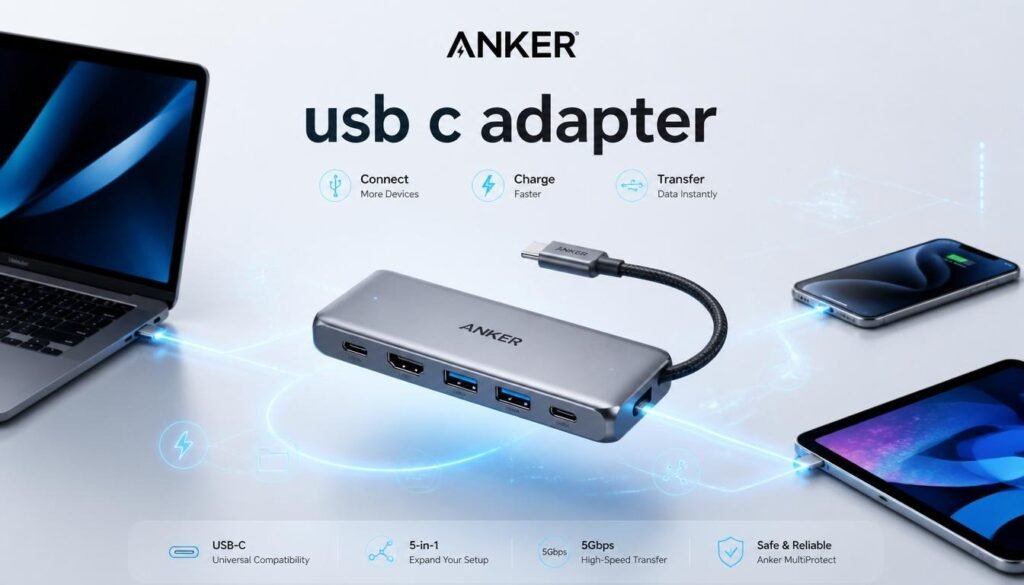
In such situations, tools like usb c adapter play an important role in simplifying the experience. They allow users to connect different devices without needing separate charging systems for each one.
This improves overall convenience and helps users maintain a more organized and efficient setup across multiple devices.
Why Simplicity Has Become a Priority in Charging Setup
Modern users are increasingly moving toward minimal and simple charging setups. Instead of carrying multiple chargers and cables, they prefer compact solutions that are easy to manage and travel with.
A simple setup reduces mental load and physical clutter. Users can focus more on their tasks without worrying about managing different charging accessories.
This growing demand for simplicity is shaping how new charging technologies are designed and used.
Impact of Charging on Productivity and Focus
Battery levels directly affect productivity in both personal and professional life. When devices run low on power, users often reduce their activity or delay important tasks.
This interruption affects communication, workflow, and focus. In many cases, users begin planning their day around battery availability instead of actual time management.
Reliable charging systems help eliminate this issue by ensuring consistent device availability throughout the day, allowing users to stay productive without unnecessary interruptions.
Changing Expectations from Charging Technology
Modern users expect more from charging systems than just basic power delivery. They want speed, safety, compatibility, and convenience all combined in a single solution.
They prefer systems that fit naturally into their daily routine without requiring extra effort or technical understanding. This expectation has pushed charging technology toward smarter and more user-friendly designs.
Charging is now considered part of the overall digital experience rather than just a utility function.
Balancing Wireless and Wired Charging Usage
Users today no longer rely on a single charging method. Instead, they combine both wireless and wired charging depending on their needs and situation.
Wireless charging offers convenience and ease of use, especially in home or office environments. Wired charging is preferred when faster charging speed is required or when time is limited.
This balanced approach gives users more flexibility and control over how they manage their device power.
Future of Charging Technology with usb c adapter Role
Charging technology is moving toward standardization and smarter integration across all devices. The future will focus on reducing complexity and improving compatibility in everyday use.
In this evolving ecosystem, usb c adapter plays a very important role by ensuring smooth connectivity between different devices and charging systems. It helps users maintain a flexible and efficient setup without facing compatibility issues.
As technology continues to evolve, charging will become more seamless, automated, and naturally integrated into daily life, making the entire process almost invisible for users.
Conclusion
Modern charging habits have changed significantly due to the increasing dependence on digital devices in everyday life. Users now prefer simple, fast, and flexible charging solutions that fit easily into their routines.
Tools like Apple MagSafe charger and usb c adapter are playing an important role in this transformation by improving convenience, reducing complexity, and enhancing overall device management.
In the end, charging is no longer just a technical requirement. It has become a core part of modern digital living that supports productivity, connectivity, and smooth daily experiences.
FAQs
1. Why are users shifting toward modern charging solutions instead of traditional chargers?
Users are moving toward modern charging solutions because they want faster, simpler, and more flexible ways to keep their devices powered. Traditional chargers often feel limited in today’s multi-device lifestyle.
2. What makes the Apple MagSafe charger different from regular charging methods?
It focuses on convenience and ease of use by reducing cable dependency and offering a more seamless charging experience, which fits better into fast modern digital routines.
3. How does a usb c adapter help in daily device usage?
A usb c adapter helps connect different devices and charging systems together, reducing compatibility issues and making it easier to manage multiple gadgets with one setup.
4. Why is charging now considered important for productivity?
Because most work, communication, and daily tasks depend on digital devices, a low battery can interrupt workflow. Reliable charging ensures continuous productivity without delays.
5. What is the future of charging technology in everyday life?
Charging technology is moving toward more universal, fast, and simplified systems where devices connect easily without compatibility problems and require less manual effort from users.
