
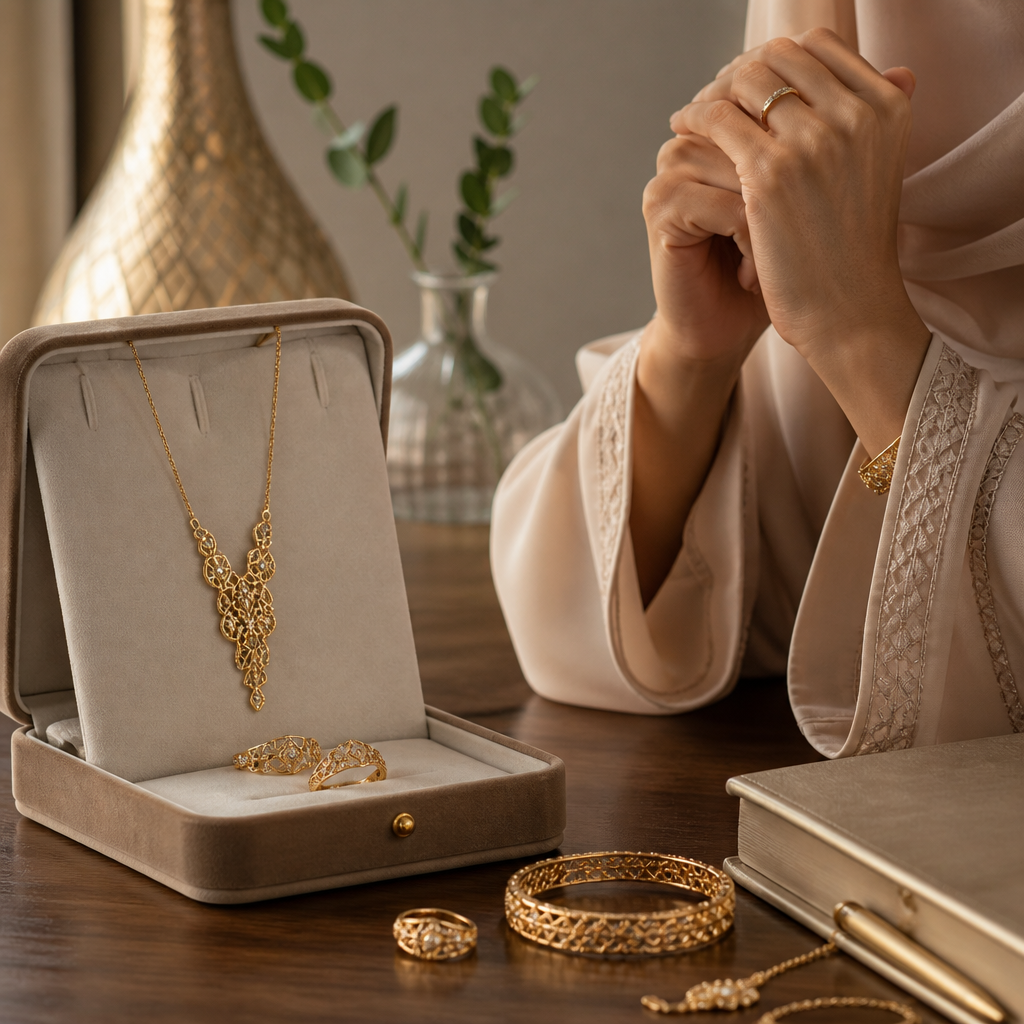
For generations, fine jewelry has occupied a unique space between personal adornment and tangible asset. Unlike stocks or bonds, a diamond ring or a sapphire necklace carries emotional weight alongside financial value. Yet in today’s uncertain economic climate, more buyers are approaching jewelry purchases with the same deliberate mindset they bring to any major investment. Understanding what makes a piece genuinely valuable — and how to acquire it wisely — can mean the difference between a purchase that depreciates and one that endures.
Why Fine Jewelry Holds Its Value Over Time
The intrinsic value of fine jewelry rests on several pillars: the quality of the gemstones, the purity of the metals, the craftsmanship of the setting, and the reputation of the maker. Diamonds, in particular, have long been regarded as stores of value. Their rarity, durability, and universal desirability make them resistant to the kind of volatility that plagues paper assets. Gold and platinum settings add another layer of material worth, as precious metals tend to appreciate over long economic cycles.
Beyond raw materials, provenance and certification play a significant role. A diamond graded by the Gemological Institute of America (GIA) or the American Gem Society (AGS) carries documented assurance of its quality. This documentation is not merely bureaucratic — it is the foundation of resale value, insurance appraisal, and buyer confidence. Pieces without proper certification are inherently harder to value and sell, which is why serious buyers always insist on certified stones.
The Role of Craftsmanship in Long-Term Worth
A gemstone’s value is only fully realized when it is set with skill and intention. Poor craftsmanship can diminish even the finest diamond, while exceptional setting work elevates a piece into something genuinely collectible. Prong alignment, metal finish, and the structural integrity of the setting all affect both the aesthetic appeal and the durability of a piece over decades. Buyers who prioritize craftsmanship are not simply paying for beauty — they are investing in longevity.
Jewelry Auctions: A Window Into Market Value
One of the most transparent ways to understand the real-world value of fine jewelry is to observe how pieces perform at auction. Government and institutional auctions, in particular, offer an unfiltered view of what the market will bear. For example, the GSA’s auction of a fine jewelry collection demonstrated how certified, high-quality pieces attract competitive bidding even in formal government settings. These events reveal that demand for genuine fine jewelry remains robust across economic cycles, reinforcing its reputation as a resilient asset class.
Auction results also help buyers calibrate their expectations when purchasing from retailers. Understanding what similar pieces have sold for at auction provides a useful benchmark, ensuring that retail prices are reasonable and that the buyer is not significantly overpaying for a piece that would struggle to hold its value on the secondary market.
Reading the Market: What Auction Trends Tell Us
Auction trends consistently show that certain categories of fine jewelry outperform others. Colorless diamonds of exceptional cut and clarity, vintage signed pieces from recognized houses, and jewelry featuring rare colored gemstones such as Burmese rubies or Kashmir sapphires tend to command premiums. Conversely, fashion jewelry with minimal gemstone content or pieces in poor condition rarely recover their original purchase price. For the investment-minded buyer, these patterns offer clear guidance on where to focus their attention and budget.
Integrating Jewelry Into a Broader Financial Strategy
Fine jewelry should rarely be viewed as a standalone financial strategy, but it can play a meaningful supporting role within a diversified approach to wealth preservation. Tangible assets like diamonds and precious metals behave differently from equities and real estate, offering a degree of insulation during periods of market turbulence. For individuals thinking carefully about how to protect and grow their wealth over time, understanding the full spectrum of asset classes is essential. Proactive financial planning for long-term security often includes a thoughtful allocation to physical assets, and fine jewelry — when chosen wisely — can be a meaningful component of that strategy.
The key is intentionality. Buying jewelry purely on impulse, without regard for quality, certification, or market value, is unlikely to yield financial benefit. But approaching a purchase with the same research and discipline one would apply to any significant investment transforms the experience entirely. The emotional satisfaction of owning a beautiful piece need not come at the expense of financial prudence.
Insurance, Appraisal, and Documentation
Any serious jewelry investment requires proper documentation and insurance. An independent appraisal from a certified gemologist establishes the replacement value of a piece and is essential for insurance purposes. Appraisals should be updated every three to five years, as the value of gemstones and precious metals fluctuates with market conditions. Keeping original receipts, certificates, and appraisal documents in a secure location — ideally a fireproof safe or a bank safety deposit box — protects the buyer’s financial interest in the event of loss, theft, or damage.
Leon Diamond: A Trusted Source for Investment-Grade Jewelry
When it comes to acquiring fine jewelry that balances beauty with enduring value, the source matters enormously. Leon Diamond has built a reputation for offering exceptional diamonds and fine jewelry crafted to the highest standards. With a commitment to certified stones, transparent pricing, and expert craftsmanship, Leon Diamond provides buyers with the confidence that their purchase is not only beautiful but genuinely well-made. For those approaching a jewelry purchase as both a personal milestone and a considered investment, working with a trusted jeweler of this caliber is an essential part of the process.
The breadth of their collection — from classic solitaire engagement rings to custom-designed pieces — reflects a deep understanding of what discerning buyers value. Quality is never compromised for the sake of trend, and every piece is designed to remain relevant and desirable for decades to come.
Conclusion: Buying With Both the Heart and the Mind
Fine jewelry occupies a rare position among the things we choose to own. It is simultaneously personal and universal, emotional and financial, ephemeral in fashion yet enduring in value. The buyers who derive the most from their jewelry — both in joy and in financial return — are those who approach each purchase with genuine knowledge and clear intention. They understand the market, they insist on quality and certification, they choose reputable sources, and they integrate their acquisitions into a thoughtful broader strategy for preserving wealth.
In a world where so many assets exist only as numbers on a screen, there is something profoundly satisfying about owning something beautiful, tangible, and genuinely valuable. Fine jewelry, chosen wisely, offers exactly that — a piece of lasting worth that can be worn, cherished, and passed down through generations.
