
Introduction to Industrial Material Movement Systems
In today’s fast-paced industrial and commercial environments, efficiency in moving, storing, and controlling materials is a key factor that determines overall productivity. From warehouses and manufacturing plants to logistics hubs and construction sites, businesses rely on specialized systems to handle goods safely and efficiently. These systems are collectively known as material handling equipment, and they form the backbone of modern supply chain and industrial operations.
Without proper handling systems, industries would struggle with delays, increased labor costs, safety risks, and inefficiencies in workflow. The purpose of material handling equipment is not only to move goods but also to improve operational speed, reduce manual effort, and ensure workplace safety. As industries continue to grow and demand higher productivity, the importance of advanced handling solutions has increased significantly.Material handling equipment includes a wide range of tools, machines, and systems designed for lifting, transporting, storing, and controlling materials. These can range from simple hand-operated tools to highly advanced automated machinery used in large-scale industrial environments.
Understanding the Importance of Material Handling in Industry
The movement of materials is a constant requirement in almost every industrial operation. Raw materials must be transported to production areas, finished goods must be moved to storage zones, and products must be loaded for distribution. Without efficient handling systems, these processes would become slow and labor-intensive.
Proper use of material handling equipment helps streamline these operations by reducing the need for manual labor and increasing the speed of material flow. This leads to improved productivity and reduced operational costs. It also minimizes the risk of workplace injuries caused by lifting heavy objects or repetitive manual tasks.In addition, efficient material handling contributes to better space utilization. Warehouses and storage facilities can organize goods more effectively, allowing for higher storage density and improved inventory control.
Categories of Material Handling Equipment
Material handling systems are generally divided into several categories based on their function. These include storage equipment, industrial trucks, bulk material handling systems, and automated systems.
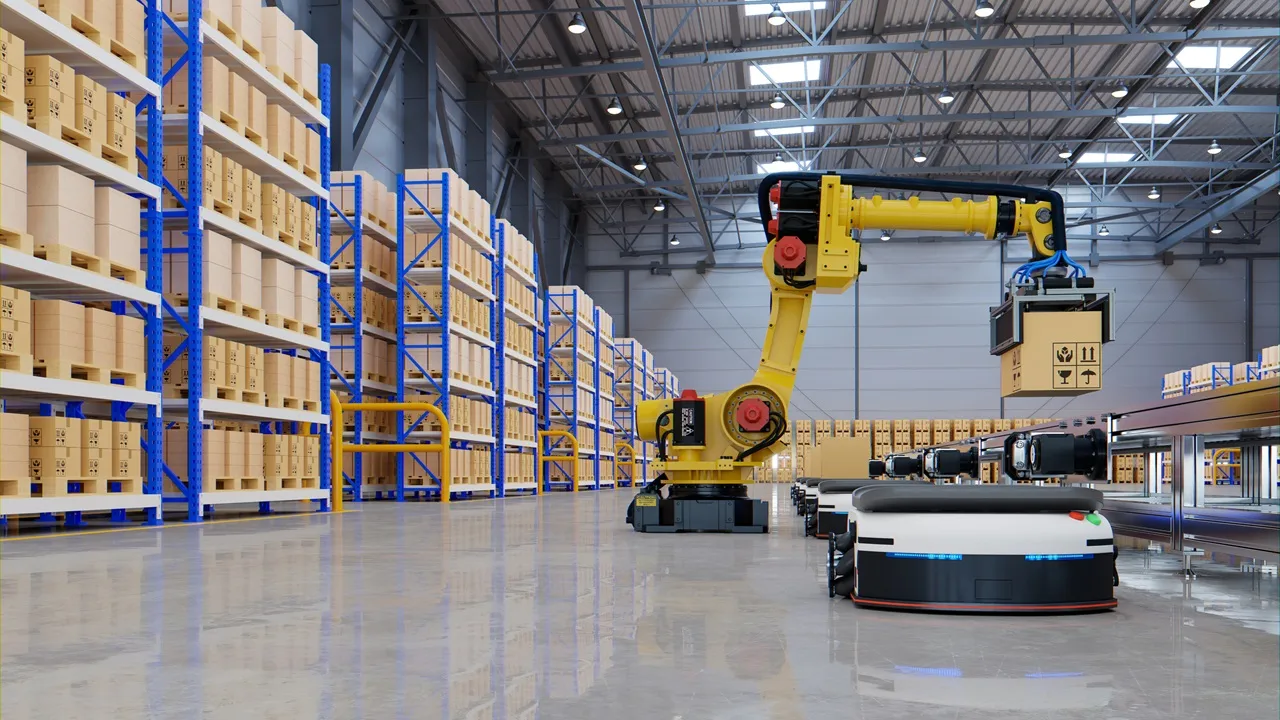
Storage equipment includes racks, shelves, pallets, and bins that help organize materials efficiently. Industrial trucks include forklifts, pallet jacks, and order pickers that are used for transporting goods within facilities. Bulk handling systems are used for moving large quantities of materials such as grains, minerals, or chemicals. Automated systems include conveyor belts, robotic arms, and computerized storage systems used in advanced industrial setups.Each category plays a specific role in improving workflow efficiency. Together, they form an integrated system that ensures smooth movement of materials from one stage to another.
Industrial Trucks and Their Role in Material Movement
Among all types of material handling systems, industrial trucks are some of the most widely used. These include forklifts, pallet jacks, reach trucks, and order pickers. They are essential for lifting and transporting heavy loads across short distances within warehouses and industrial facilities.
Forklifts, in particular, are one of the most important types of material handling equipment. They are designed to lift heavy pallets and materials, making them essential for warehouse operations and construction sites. Their versatility allows them to operate in both indoor and outdoor environments depending on the model.
Industrial trucks significantly reduce manual labor and improve efficiency in material movement. They also enhance safety by reducing the need for workers to lift heavy loads manually.Efficient storage is a key component of material handling. Proper organization ensures that goods are easily accessible, reduces retrieval time, and improves inventory management. Storage systems include pallet racks, shelving units, mezzanine floors, and automated storage systems.
Well-designed storage solutions help maximize available space within warehouses. This is especially important in industries where storage capacity directly impacts operational efficiency.Modern storage systems are often integrated with digital inventory management tools, allowing businesses to track and control stock levels in real time. This improves accuracy and reduces the risk of errors in inventory handling.
Conveyor Systems and Automated Material Flow
Conveyor systems are widely used in industries where continuous movement of materials is required. These systems transport goods along fixed paths using belts, rollers, or chains. They are commonly used in manufacturing plants, packaging facilities, and distribution centers.
Conveyors are a critical part of material handling equipment because they enable automated movement of goods with minimal human intervention. This reduces labor costs and increases production speed.Advanced conveyor systems can be integrated with sensors and control systems to automate sorting, packaging, and distribution processes. This level of automation improves efficiency and reduces the likelihood of errors in material handling.
Importance of Safety in Material Handling Operations
Safety is one of the most important aspects of material handling. Improper handling of materials can lead to accidents, injuries, and damage to goods. Heavy lifting, poor equipment maintenance, and lack of operator training are some of the common causes of workplace accidents.
Using properly maintained material handling equipment significantly reduces these risks. Machines are designed to handle heavy loads safely and efficiently, minimizing the need for manual lifting. Safety features such as load sensors, emergency brakes, and stability controls further enhance workplace safety.In addition to equipment safety, proper training for operators is essential. Workers must understand how to use machines correctly and follow safety protocols to prevent accidents.
Role of Technology in Modern Material Handling Systems
Technology has transformed the way materials are handled in modern industries. Automation, robotics, and digital monitoring systems have significantly improved efficiency and accuracy in material movement.Automated guided vehicles (AGVs) and robotic systems are now widely used in large warehouses and manufacturing plants. These systems can transport materials without human intervention, reducing labor costs and increasing precision.
Smart sensors and tracking systems allow businesses to monitor inventory movement in real time. This improves decision-making and enhances overall operational control.The integration of technology into material handling equipment has made industrial operations faster, safer, and more efficient than ever before.
Benefits of Efficient Material Handling Systems
Efficient material handling systems offer numerous benefits to businesses. One of the most important advantages is improved productivity. By reducing manual labor and streamlining operations, businesses can complete tasks faster and more efficiently.Another key benefit is cost reduction. Efficient systems reduce labor costs, minimize product damage, and improve space utilization. This leads to better financial performance and higher profitability.
Workplace safety is also significantly improved. Proper handling systems reduce the risk of injuries caused by lifting heavy objects or operating unsafe equipment.
Additionally, efficient material handling improves inventory accuracy and reduces operational delays, leading to better customer satisfaction.Despite its advantages, material handling also comes with challenges. One of the main challenges is equipment maintenance. Machines such as forklifts and conveyors require regular servicing to ensure proper performance.Another challenge is initial investment costs. Advanced material handling systems can be expensive to install and maintain, especially for small businesses.Space limitations can also affect the efficiency of material handling systems. Poor warehouse design can lead to inefficient workflows and reduced productivity.Proper planning and regular maintenance are essential to overcome these challenges and ensure smooth operations.
Future Trends in Material Handling Equipment
The future of material handling is expected to be driven by automation, artificial intelligence, and smart technology. Industries are increasingly adopting automated systems to improve efficiency and reduce human intervention.
Robotics and AI-powered systems will play a major role in future warehouses, enabling faster and more accurate material movement. Predictive maintenance systems will help identify equipment issues before they cause breakdowns.Sustainability is also becoming an important focus. Energy-efficient machines and eco-friendly systems are being developed to reduce environmental impact.These advancements will continue to improve the performance and efficiency of material handling equipment in the years to come.
Conclusion: The Importance of Material Handling in Industrial Growth
Material handling plays a vital role in the success of modern industries. It ensures the smooth movement, storage, and control of materials across different stages of production and distribution. Without efficient systems, businesses would struggle with delays, inefficiencies, and increased operational costs.
The use of advanced material handling equipment has transformed industrial operations by improving productivity, enhancing safety, and reducing costs. From forklifts and conveyors to automated systems and storage solutions, each component contributes to a more efficient workflow.
As technology continues to evolve, material handling systems will become even more advanced, offering greater automation, precision, and efficiency. Businesses that invest in modern handling solutions will be better positioned to compete in an increasingly demanding global market.
